Case Study
HuLoop Automation (AI)
HuLoop is an AI-powered work optimization platform that helps organizations automate and streamline business operations. Its core capabilities include productivity discovery (analyzing workflows to spot inefficiencies), work orchestration (coordinating human tasks with fewer errors), process automation via intelligent software agents, and agentic operations for autonomous goal-based AI agent.
Outcome: +23% client renewals and +17% new sales after the redesign, alongside product, sales and engineering.
Executive Summary / Impact
Increase in client renewals after redesigning the automation and workflow product suite’s UI/UX, working with product, sales and engineering.
Growth in new sales.
My Role
I ran product design end to end as the lead designer: scoping, interviews with users and stakeholders, usability testing, and close work with product, engineering and other teams. I also ran usability audits and led remediation for VPAT compliance.
The Challenge
HuLoop's platform UI was fragmented and overcomplicated, and disjointed workflows created steep learning curves for clients. This directly increased customer onboarding times and risked churn in key accounts.
The Solution
I led months of in-depth user research to understand how the platform was actually being used, and where it fell short. This included remapping and simplifying user flows, conducting user interviews, and working directly with SMEs and automation engineers to observe firsthand how they engaged with, and avoided, parts of the application. From these insights, I built user personas and documented pain points and opportunities that guided the team's development priorities.
To tackle these challenges, I established a collaborative cross-functional feedback loop to balance rapid engineering sprint cycles with deep user testing validation. The result was a smooth rollout; clients felt engaged in the redesign process and enthusiastic about a long-overdue update to the platform.
The Result
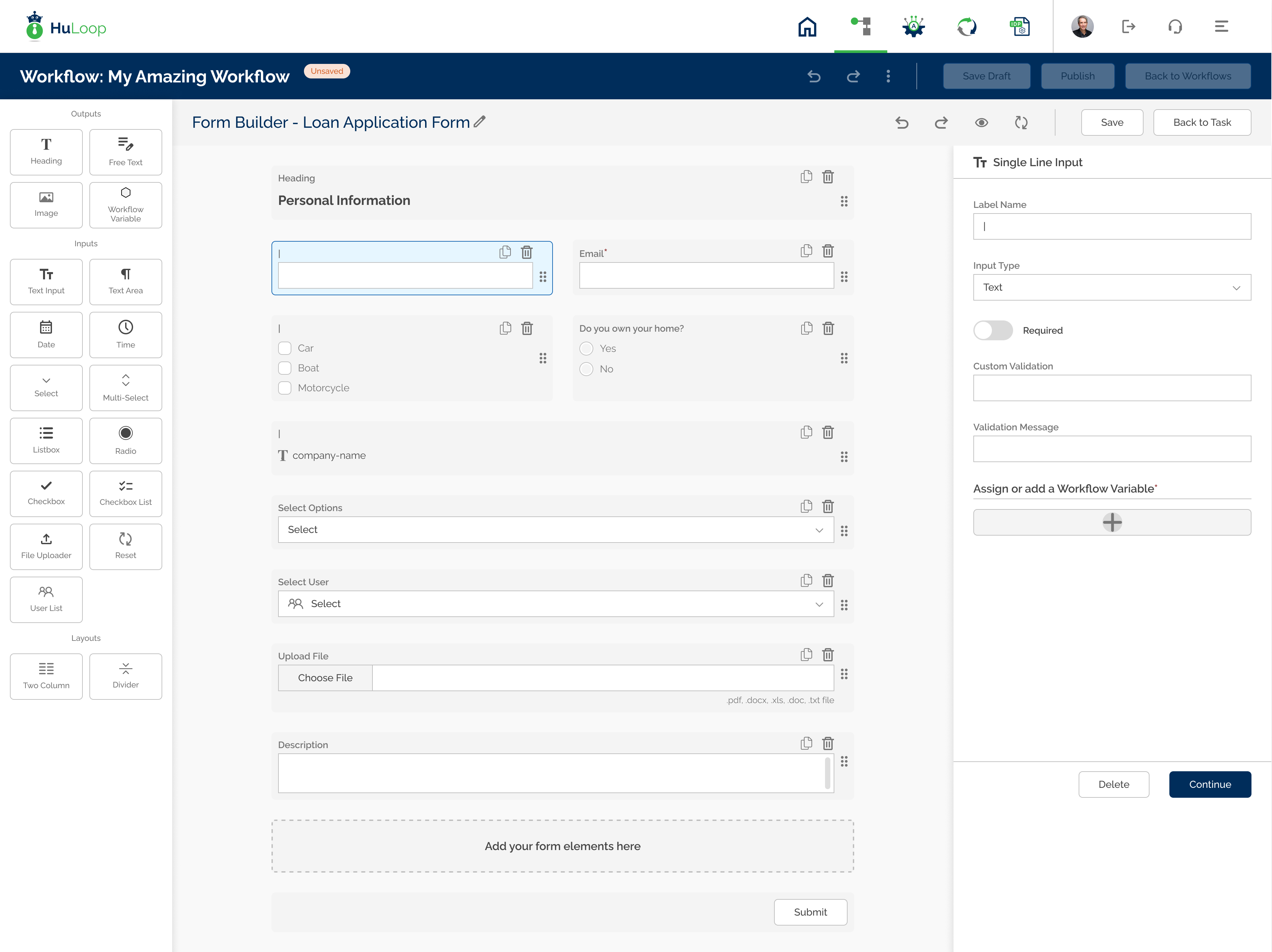
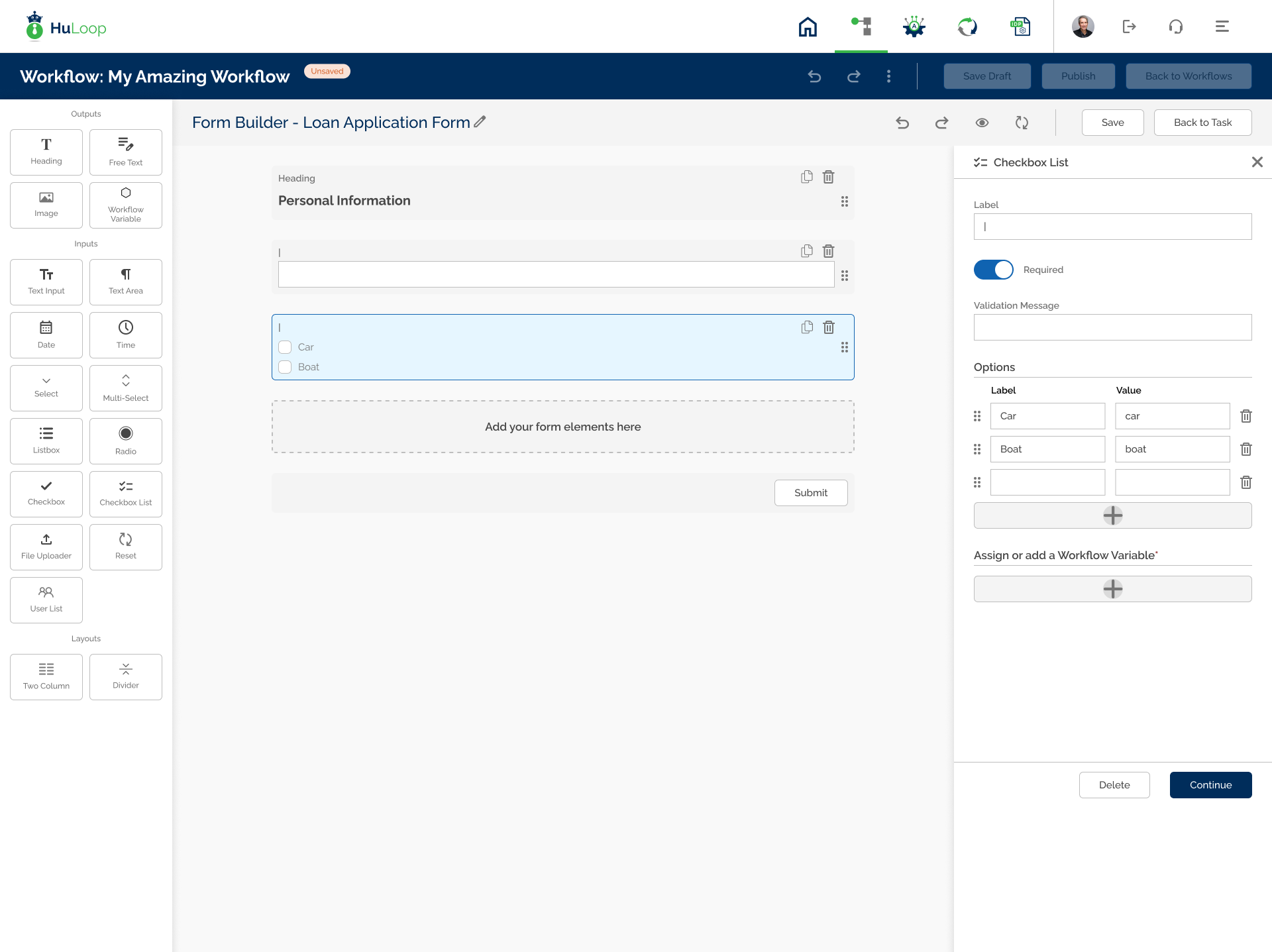
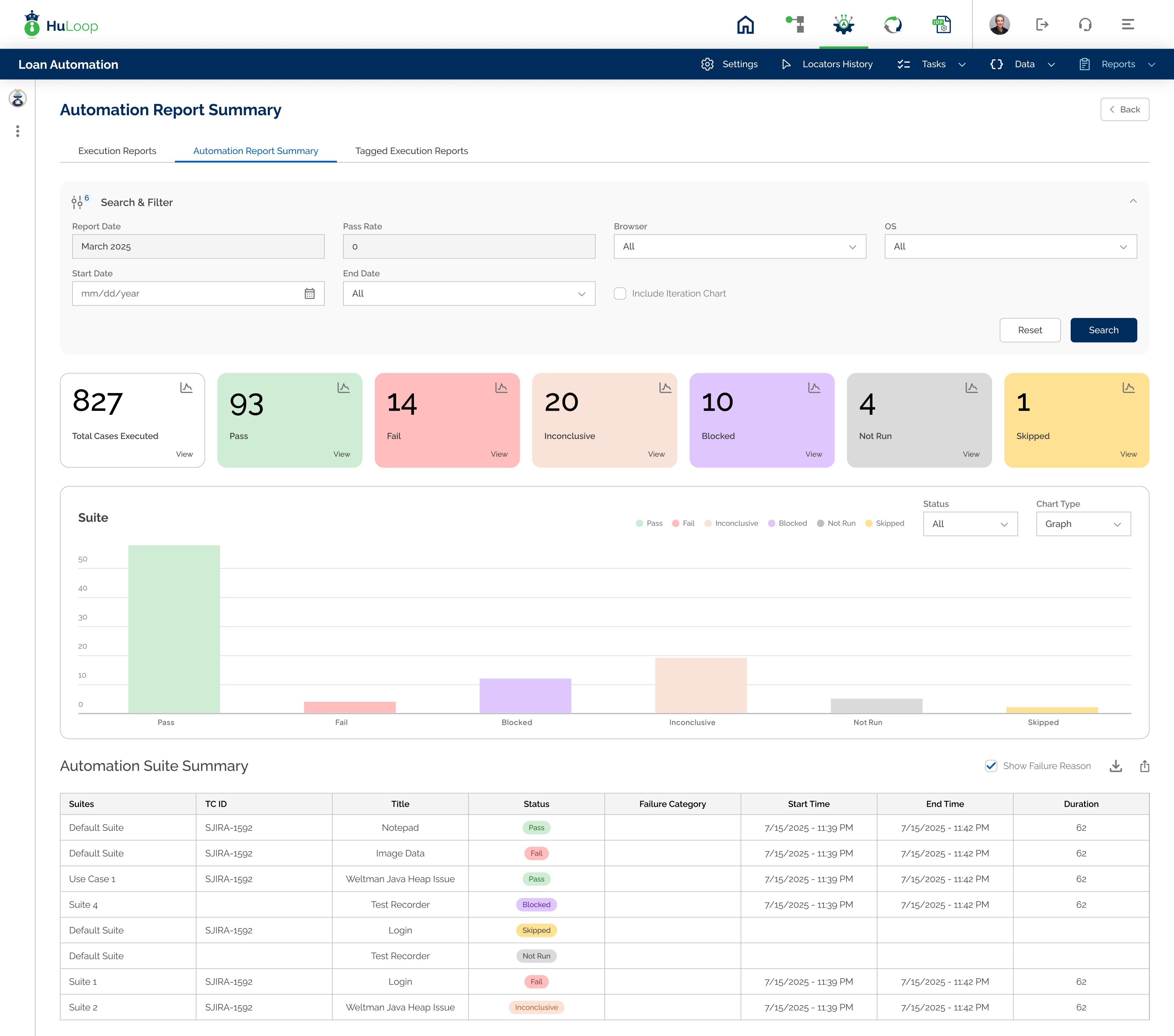
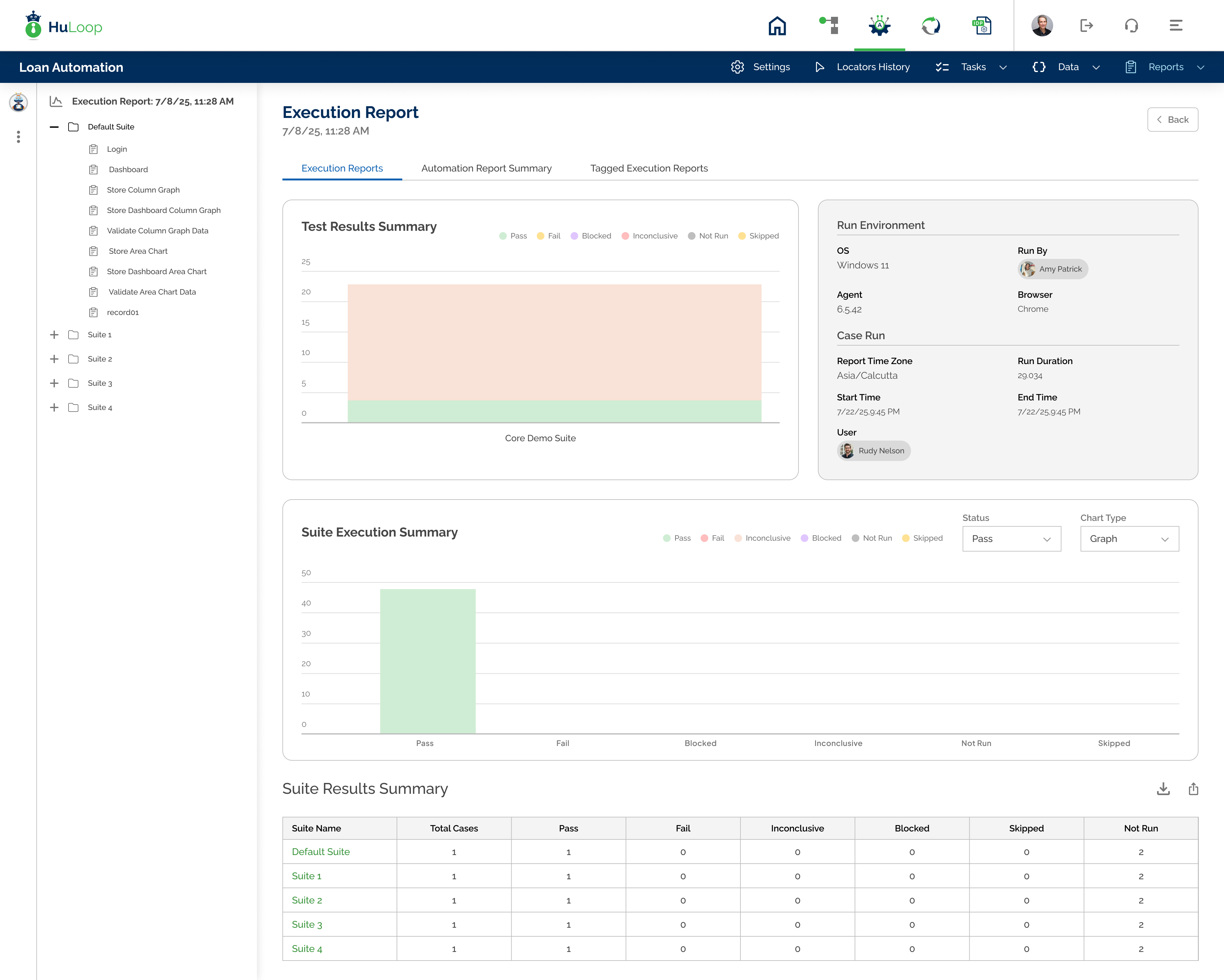
Designed a scalable, accessible design system that unified a disparate multi-product suite. This created reusable components across complex UIs (like the Form Builder and Reporting Dashboards), ensuring future features could be deployed with minimal engineering overhead. The new experience introduced various dashboards with actionable intelligence, built for both automation engineers and business users overseeing their digital workforce. These enhancements contributed to a 23% increase in client renewals and 17% growth in new sales, alongside product, sales and engineering.
Design System
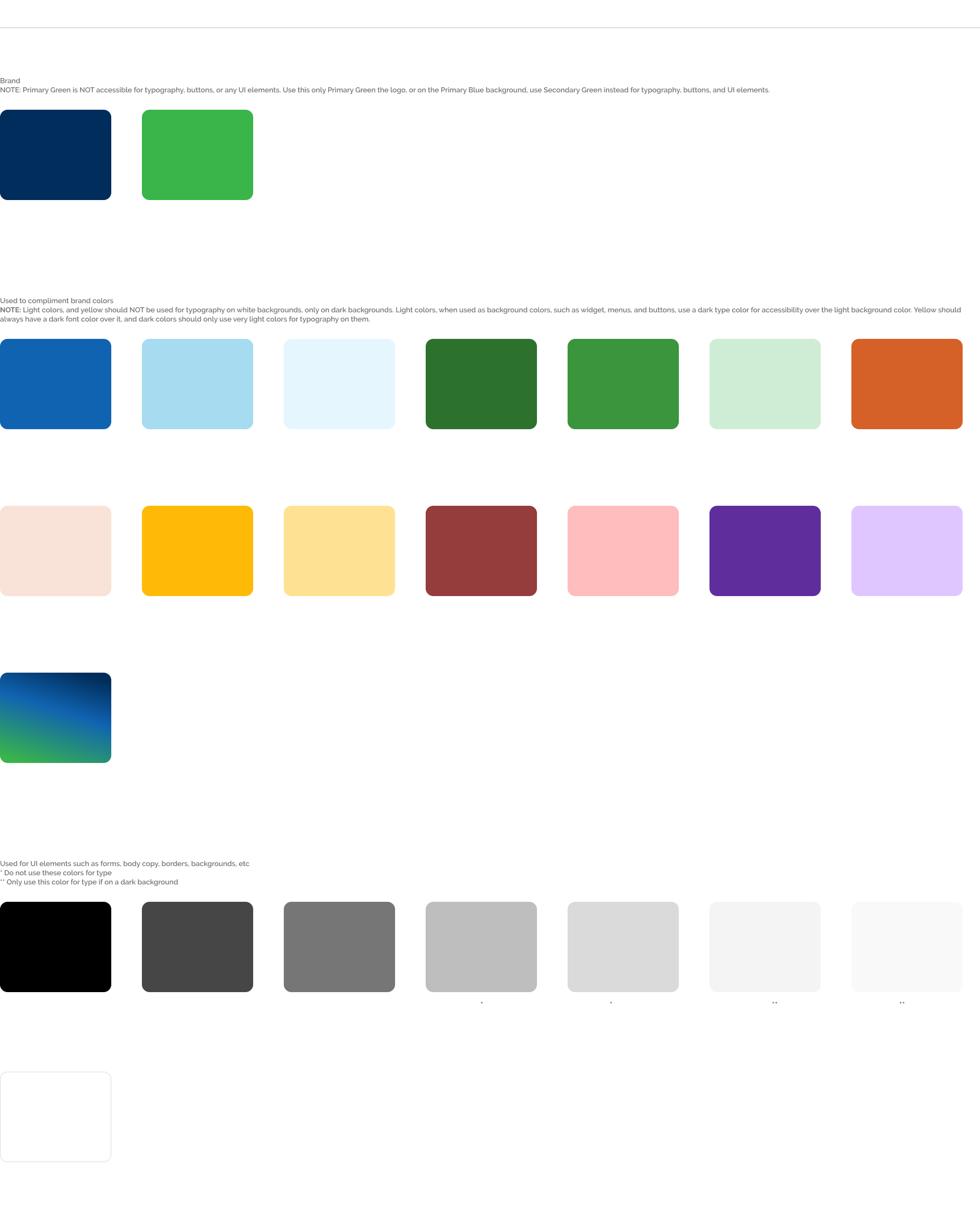
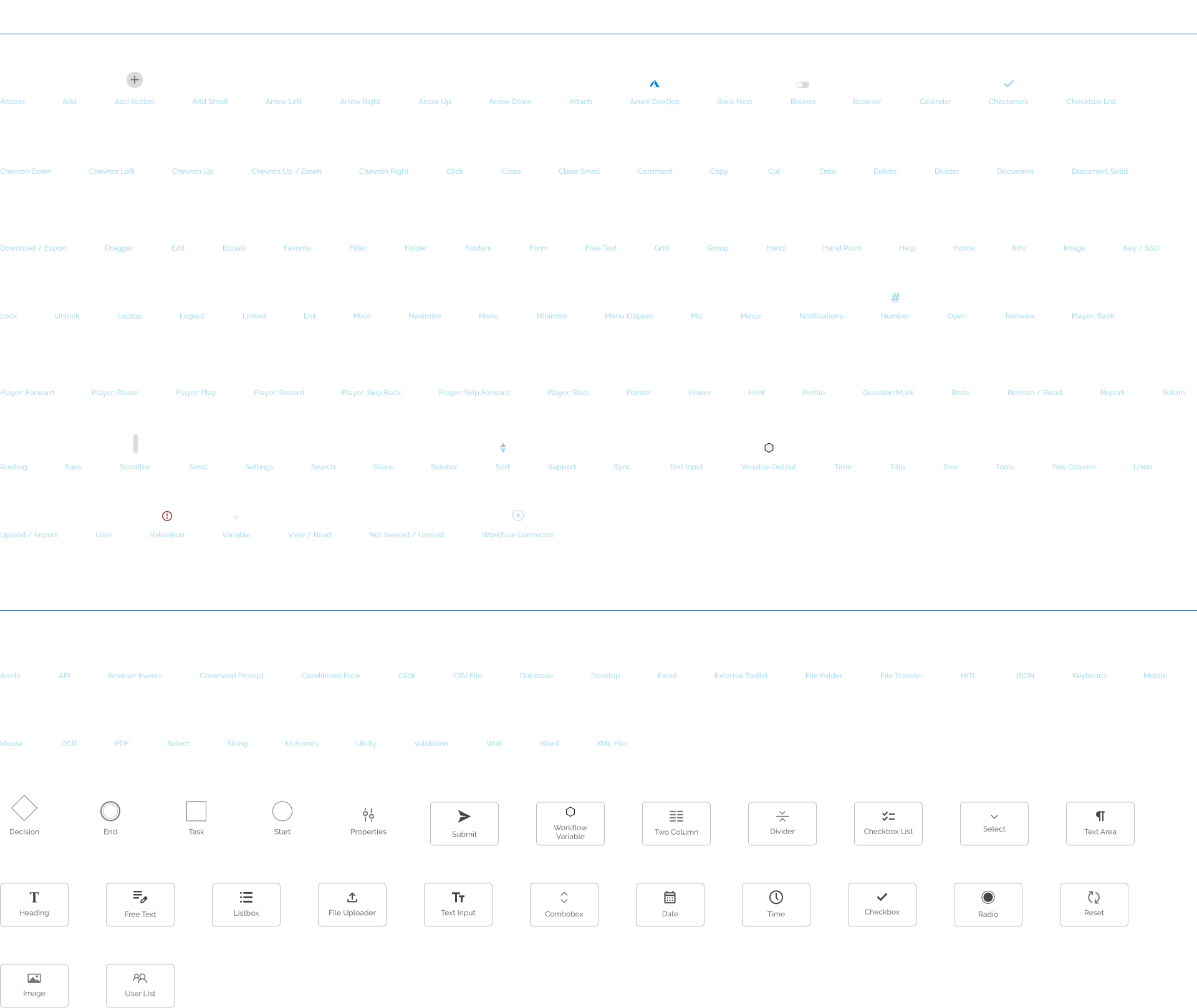
I designed a comprehensive design system and color library, with new icon library, replacing obscure, hard-to-identify icons for improved clarity and usability. I repurposed the color styles and introduced additional colors for use throughout the new app as part of the new design system.
Color System
Icon System
Wireframes
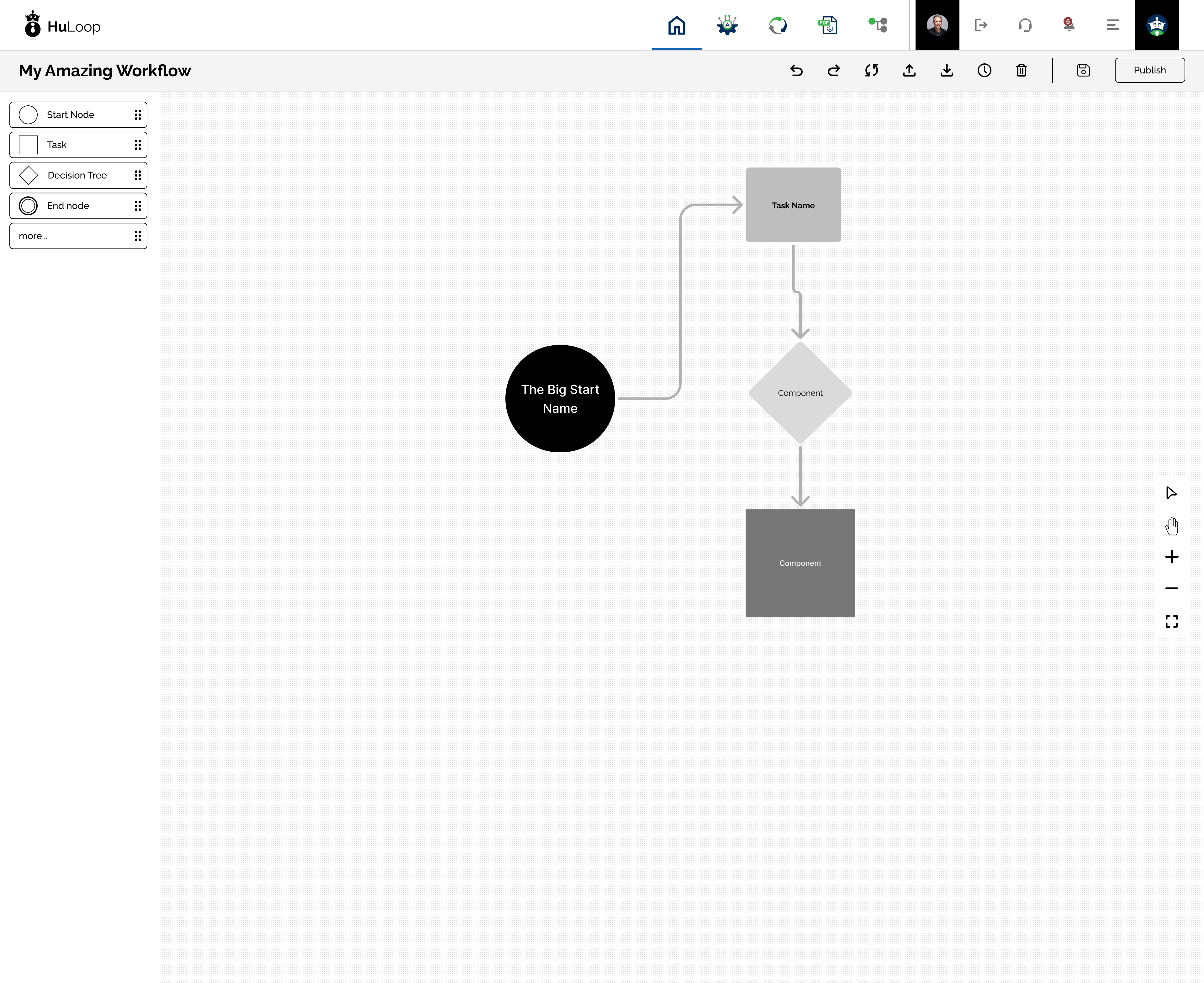
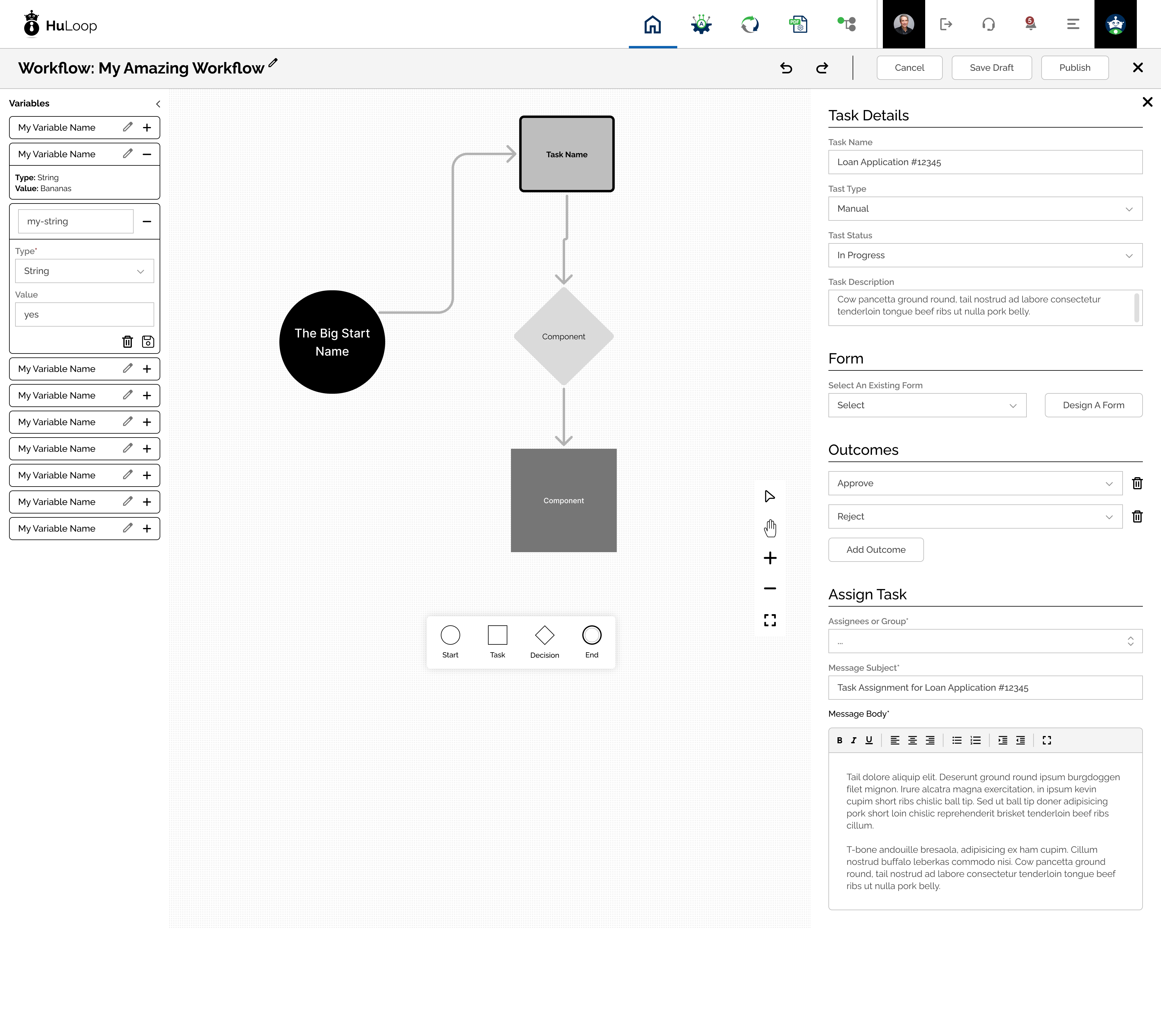
Wireframes were a crucial step in the redesign process, serving as the blueprint for the platform's layout and functionality. They let me map out the structure, user flow, and key interactions without the distraction of color or detailed visuals. This allowed me to iterate quickly with SMEs and automation engineers, gather feedback early, and ensure the interface met client needs before moving into high-fidelity visual design.
Workflow
Workflow Task Settings
Workflow Task Approval
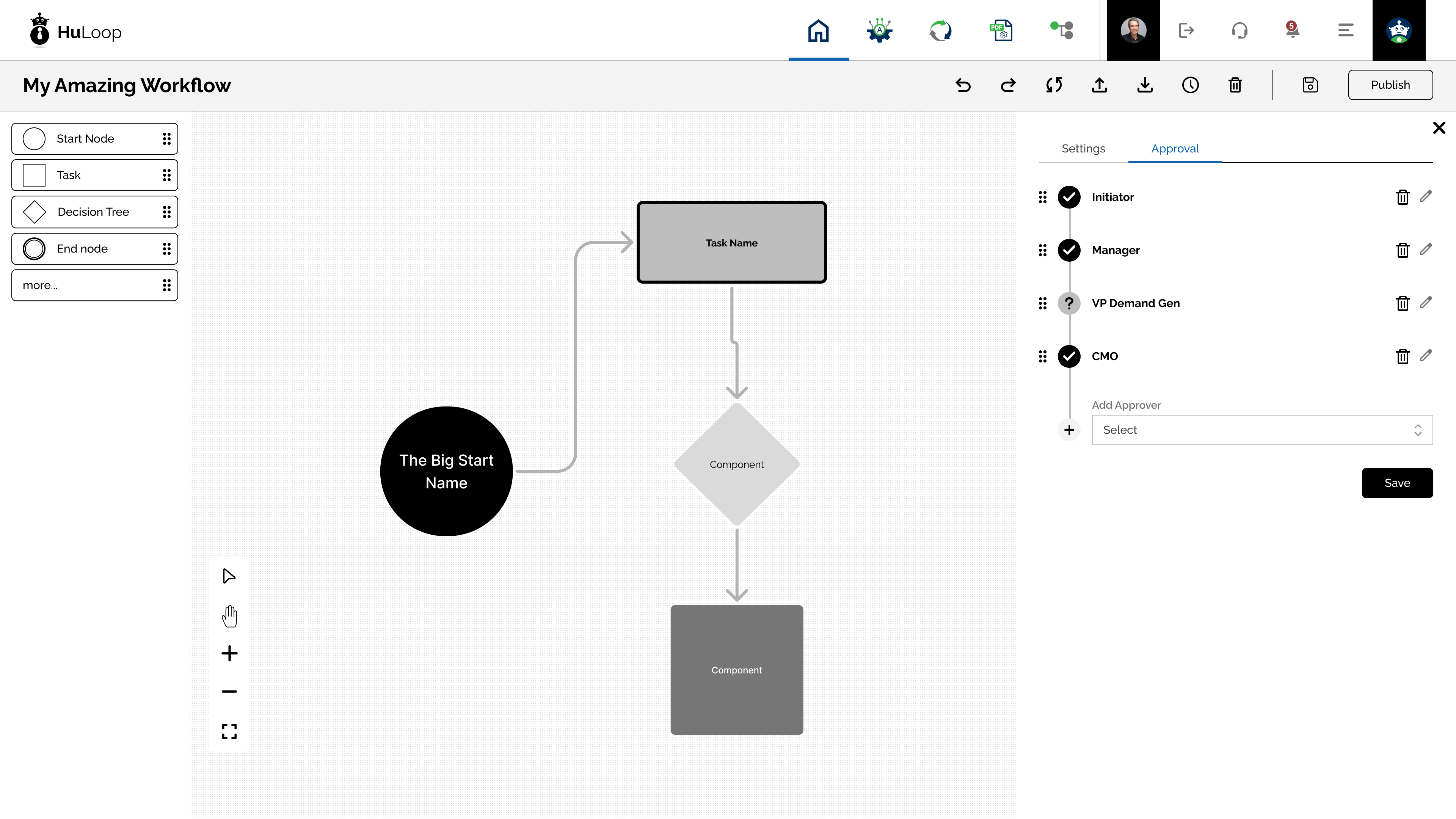
Workflow Task Sketch
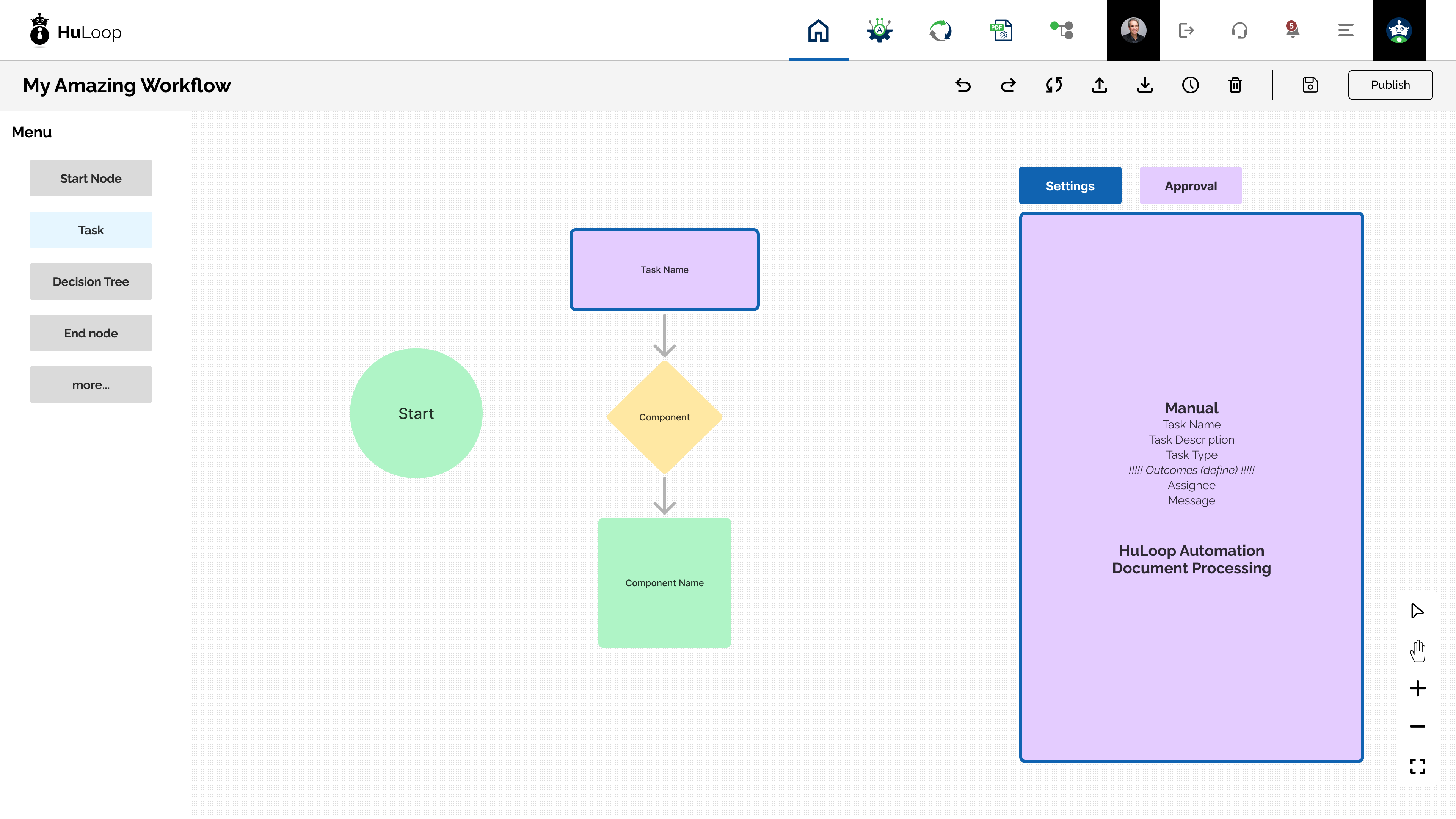
Form Builder Layout Start
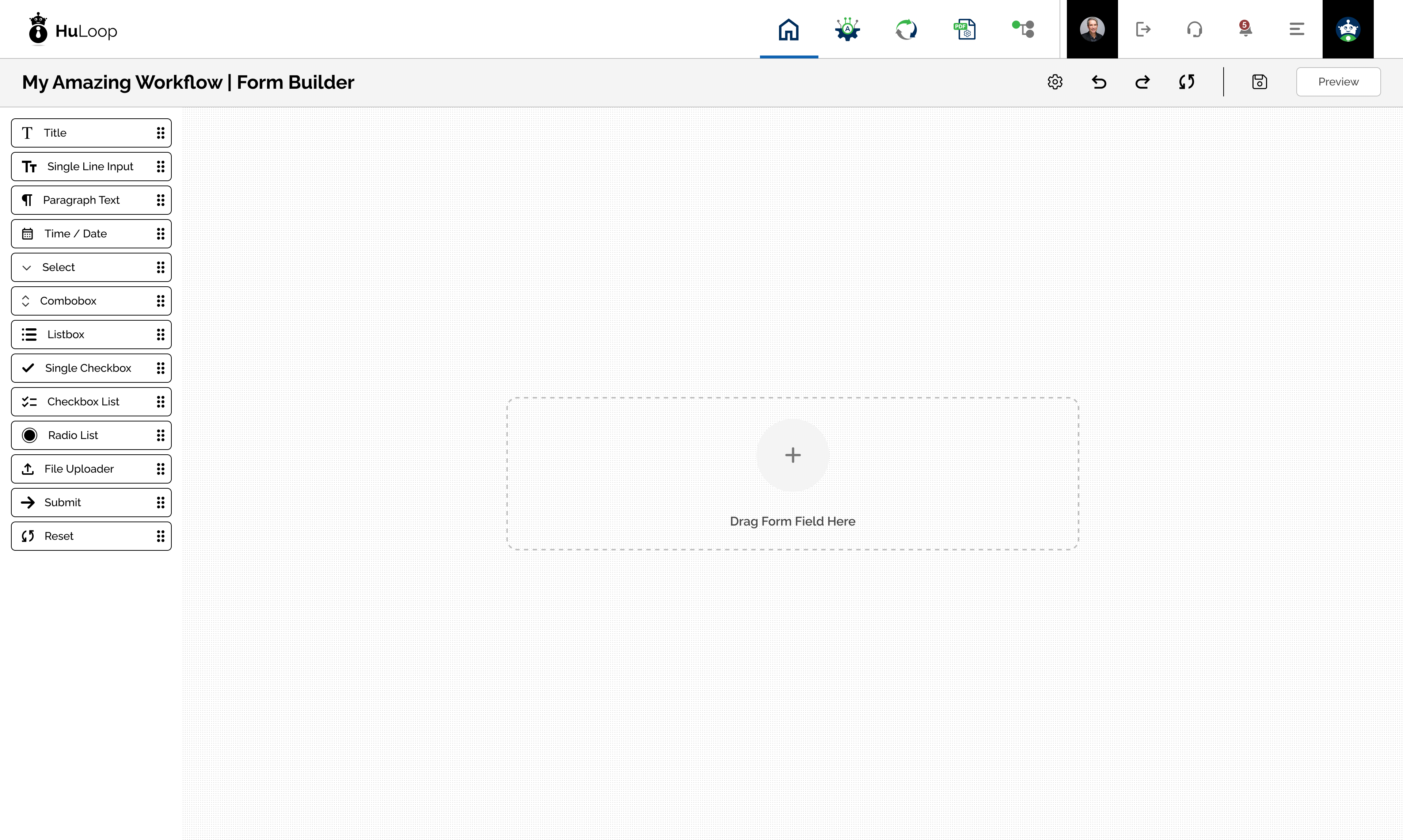
Form Builder Layout
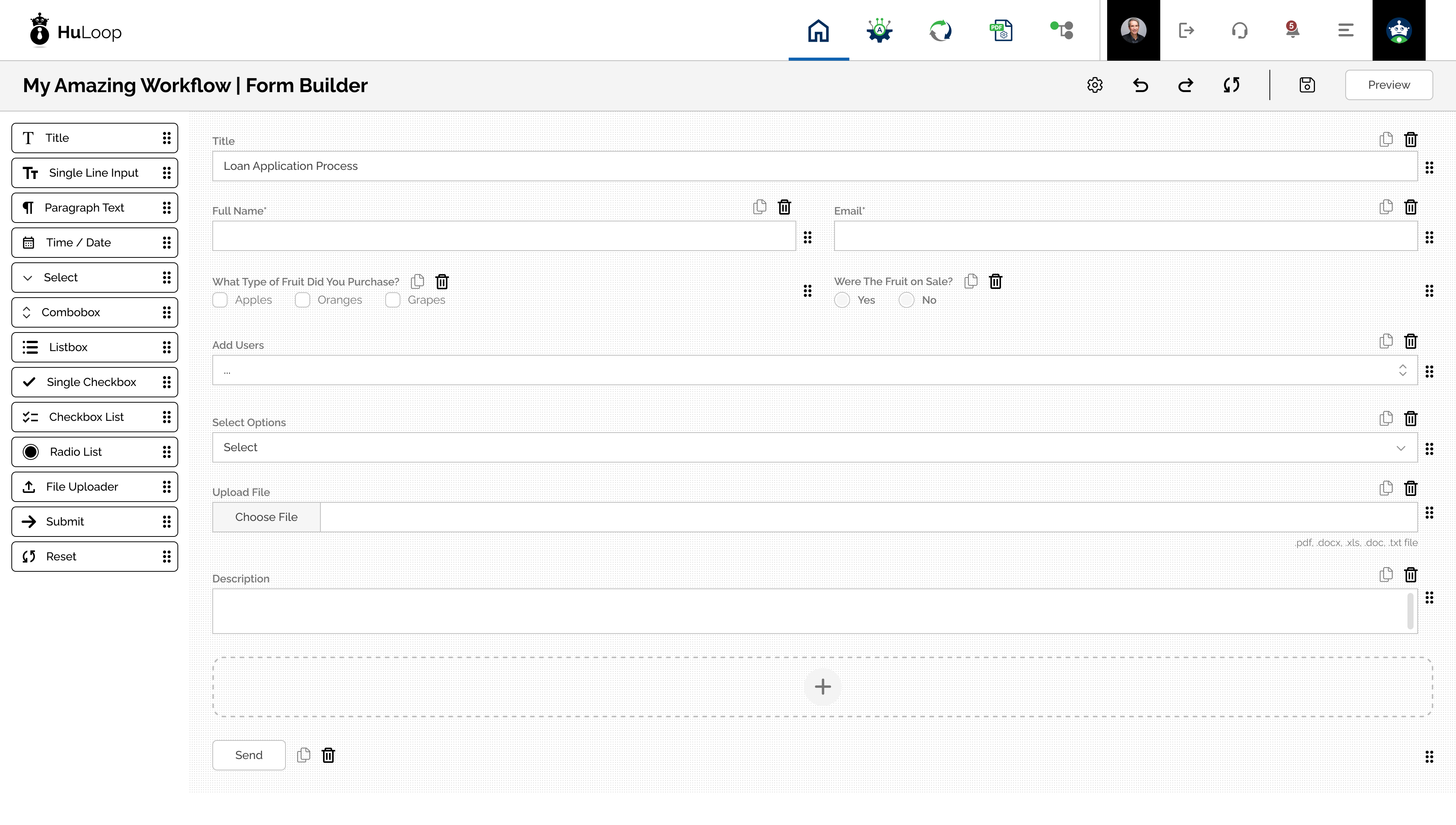
Visual Design
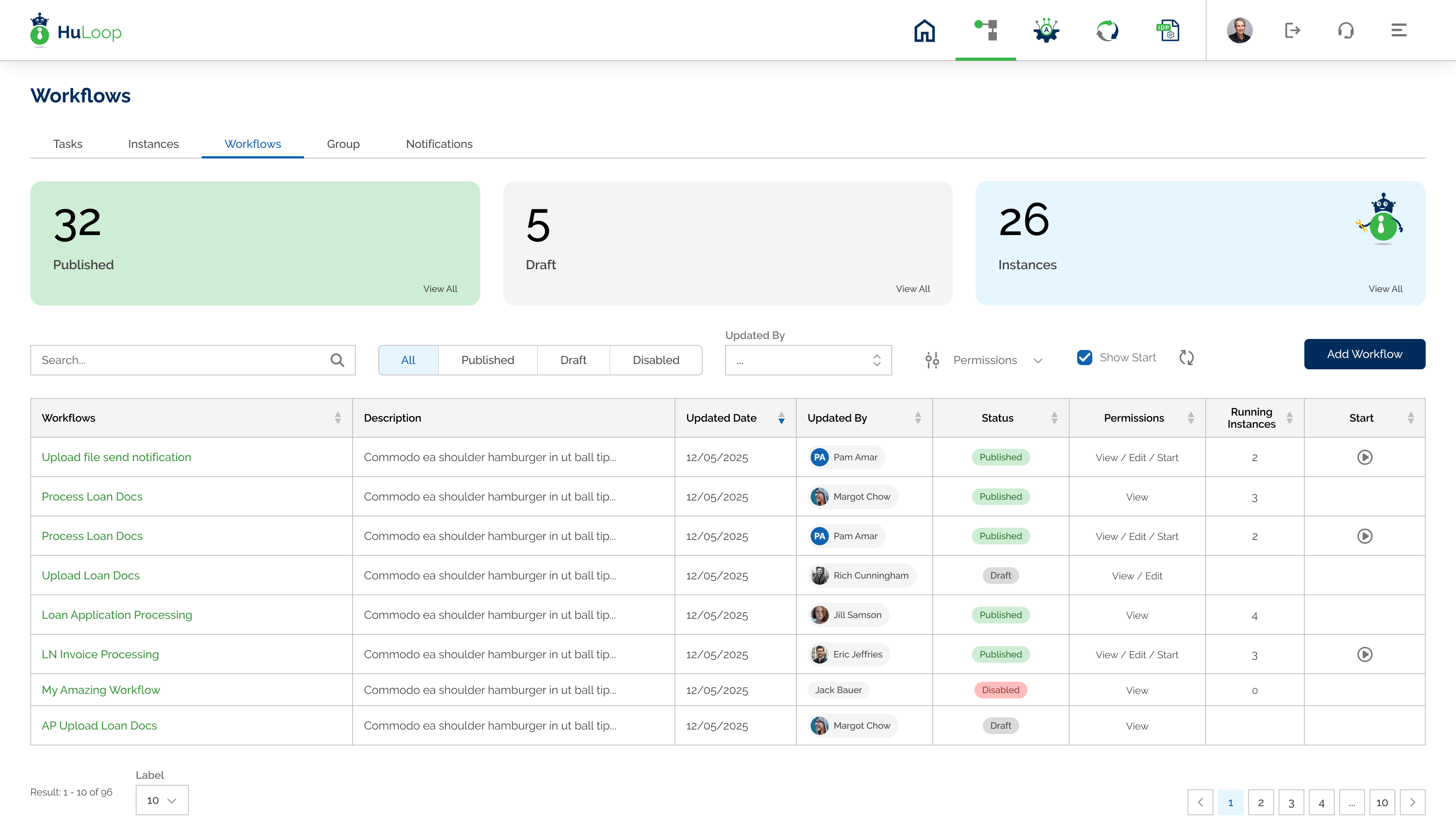
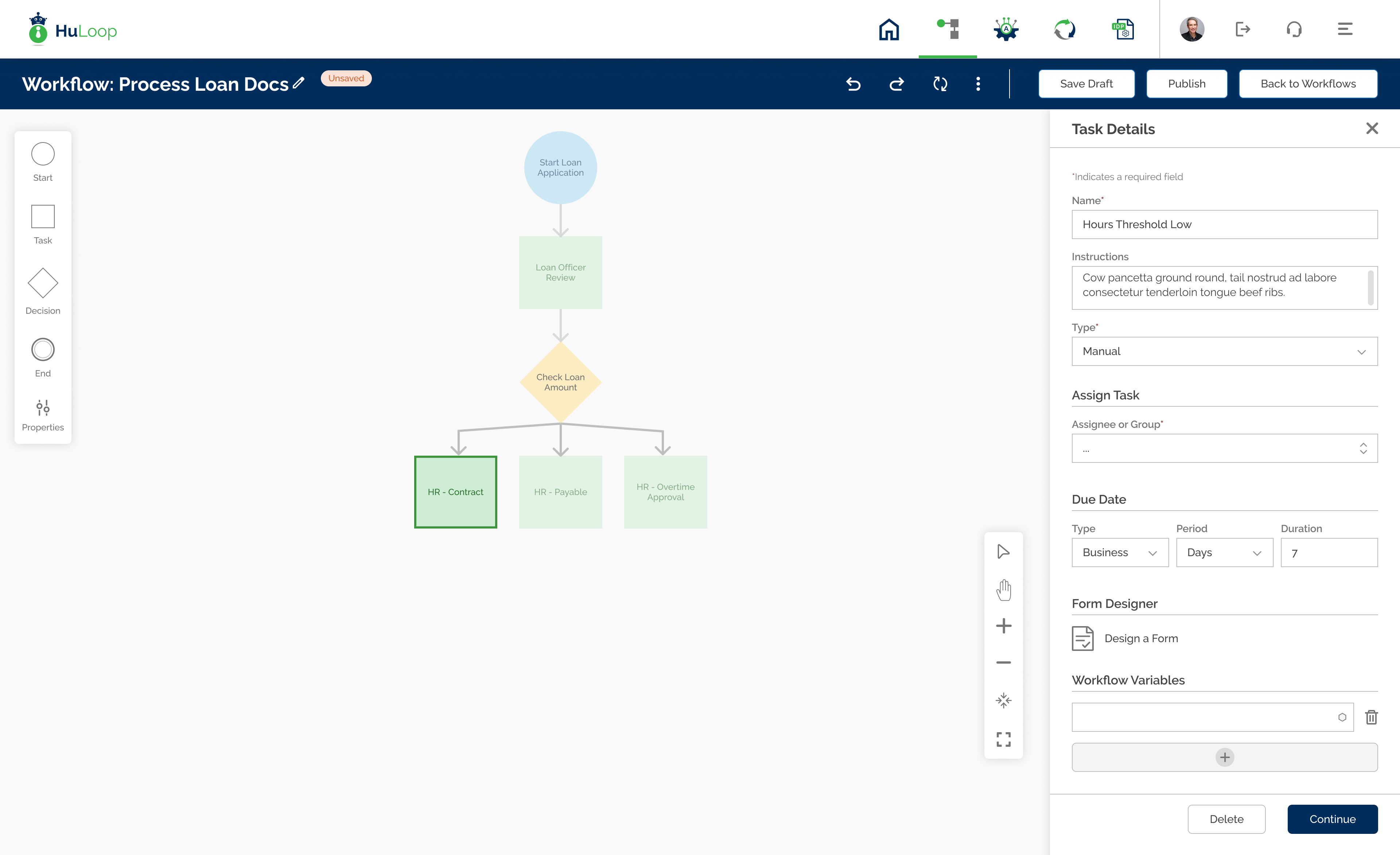
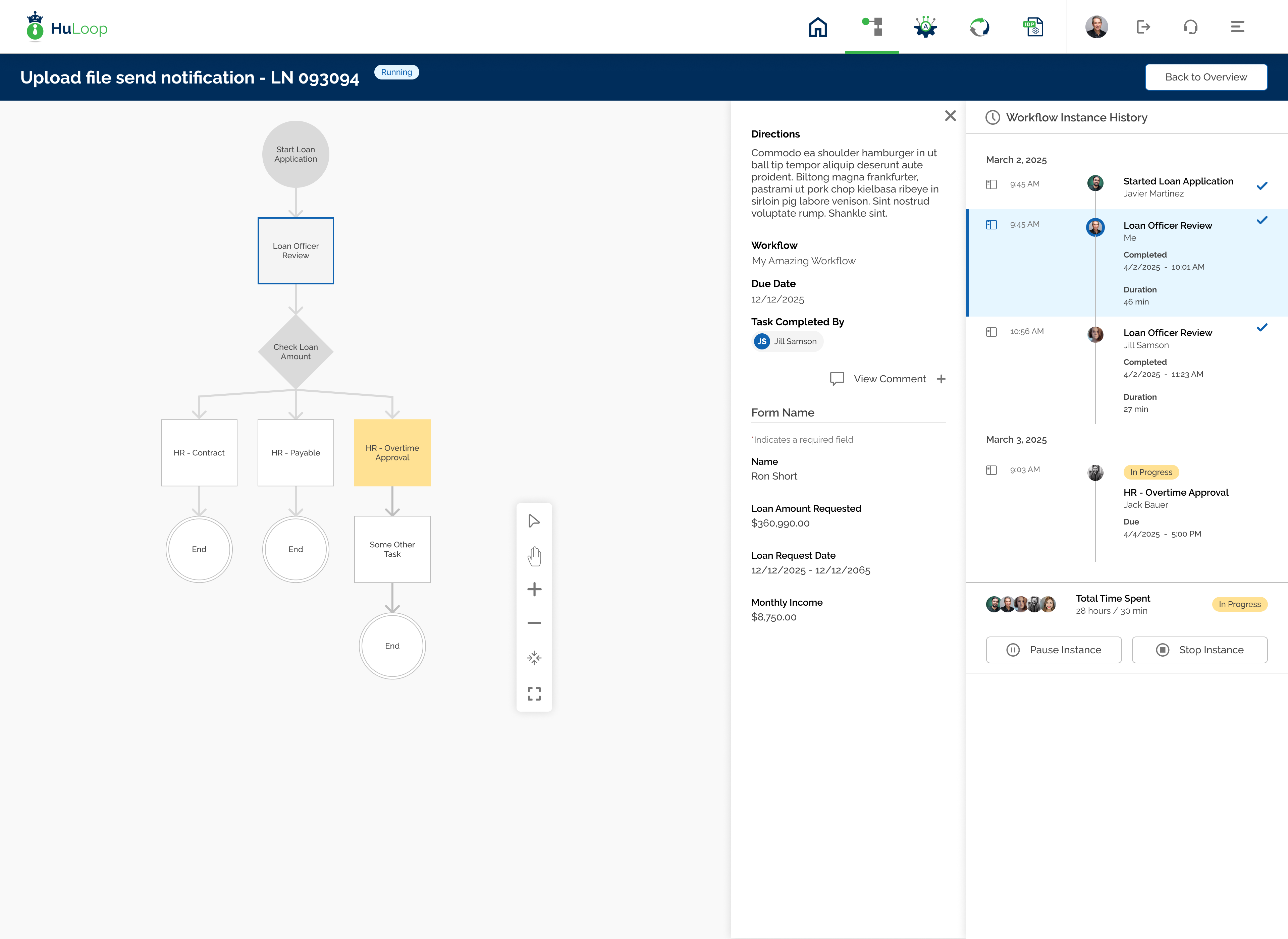
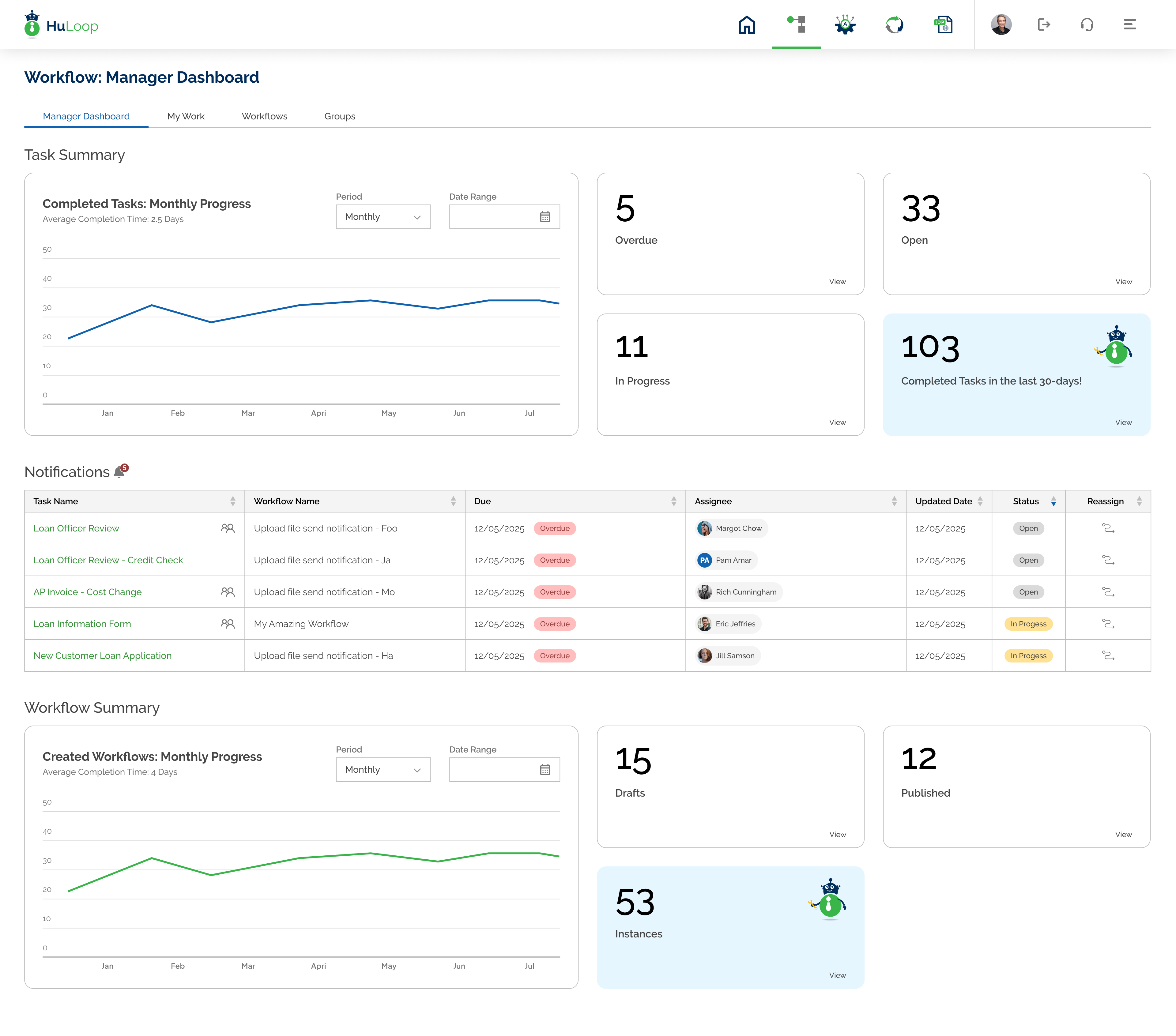
With the wireframes validated, I moved into high-fidelity design, translating the approved structure into a cohesive visual language for the platform. This meant establishing a consistent type scale, an accessible color palette, and contrast levels that met accessibility standards, directly addressing the inconsistencies identified in the original audit. I worked closely with SMEs and the Senior Product Manager to align the new visual system with HuLoop's brand, ensuring the interface felt unified across the entire product suite rather than stitched together from disparate parts. Each screen was reviewed against real user workflows to confirm the design supported clarity and speed for automation engineers and business users alike, not just visual polish.
Workflow Dashboard
Workflow Automated Task
Workflow Instance Task in Progress
Workflow Manager Dashboard
Form Builder Layout Menu
Form Builder Checkboxes Menu
Reporting Automation Report Summary
Reporting Automation Report Execution Summary
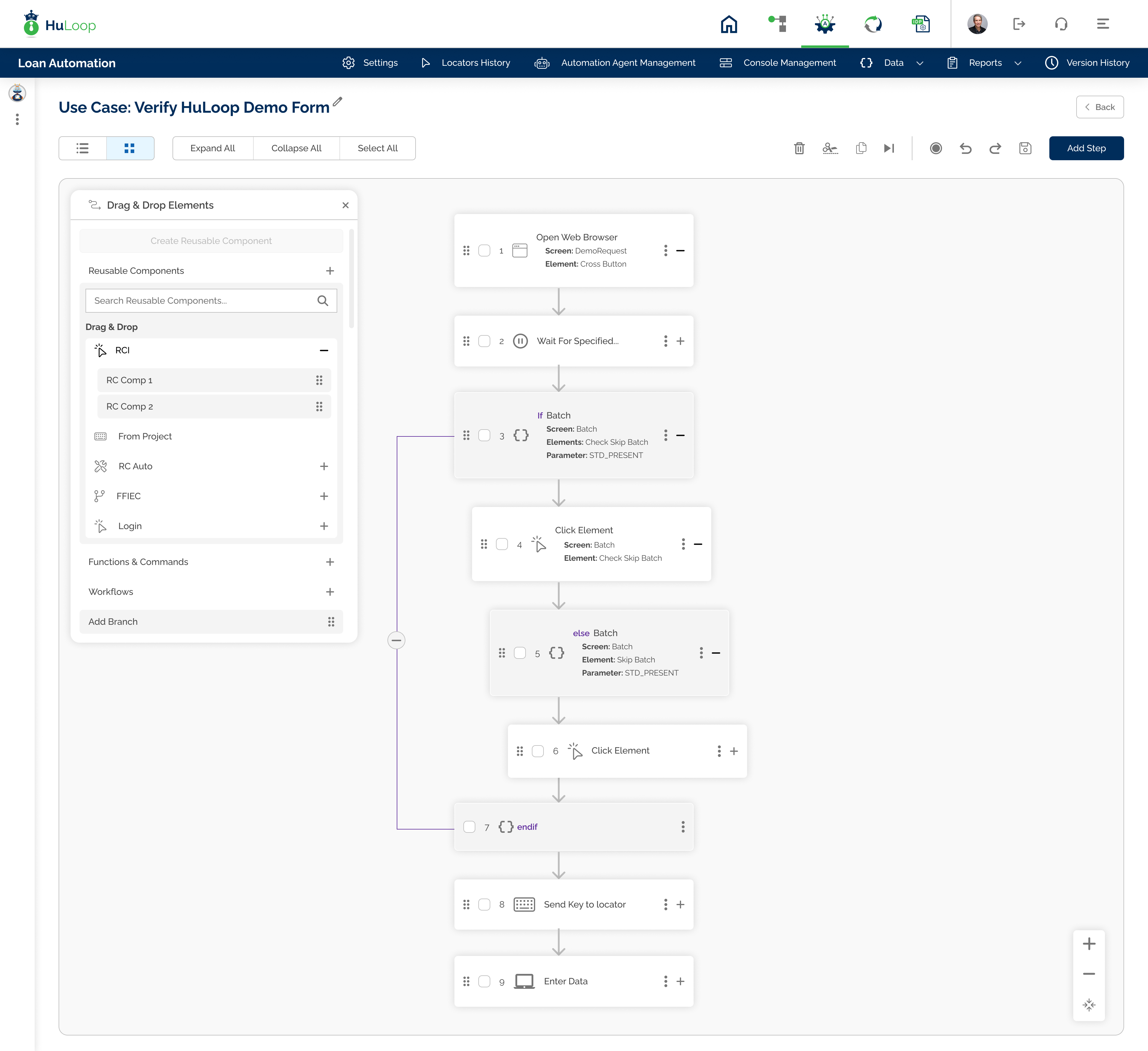
Automations Steps Reusable Components Menu
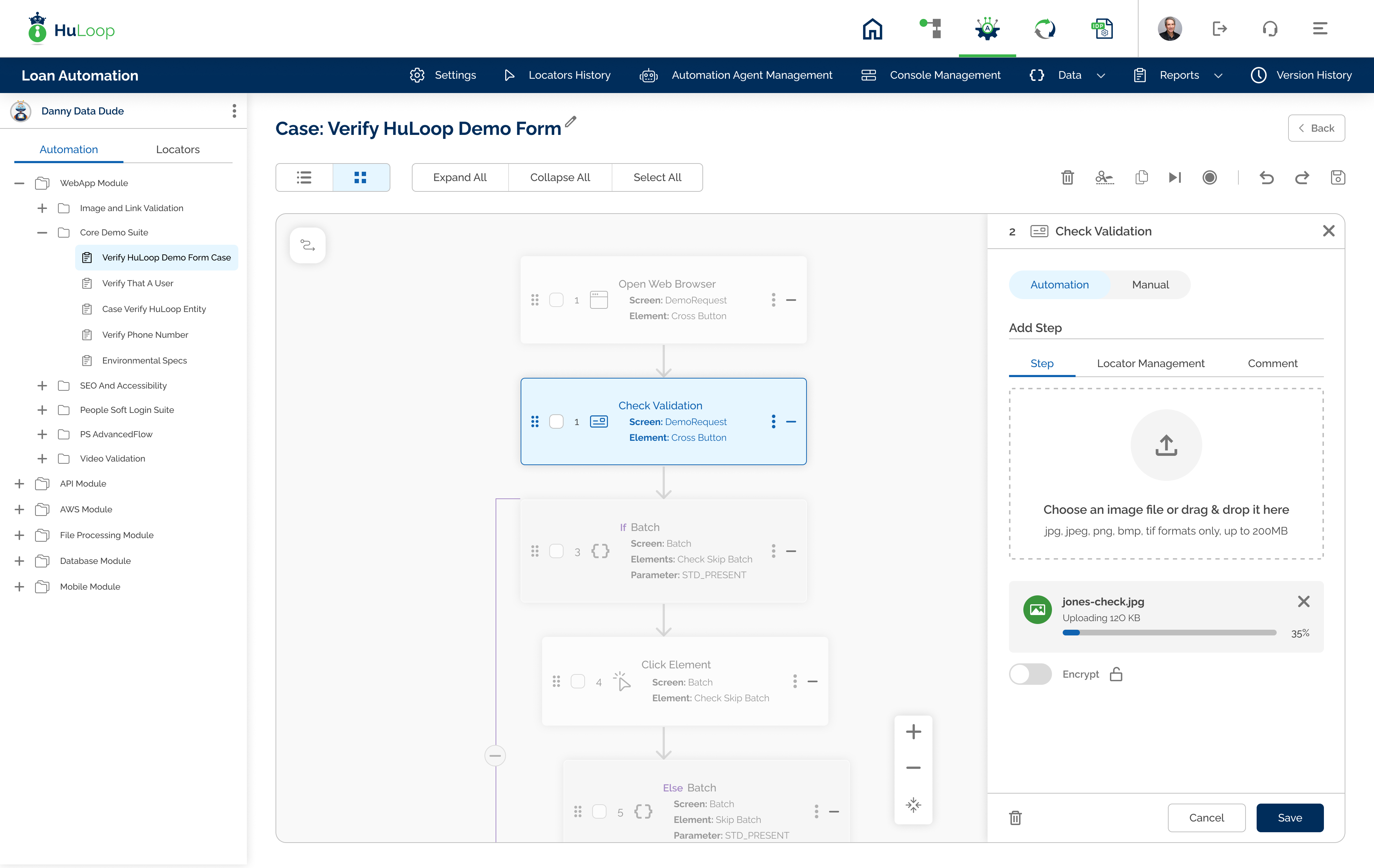
Automations Steps Check Validation
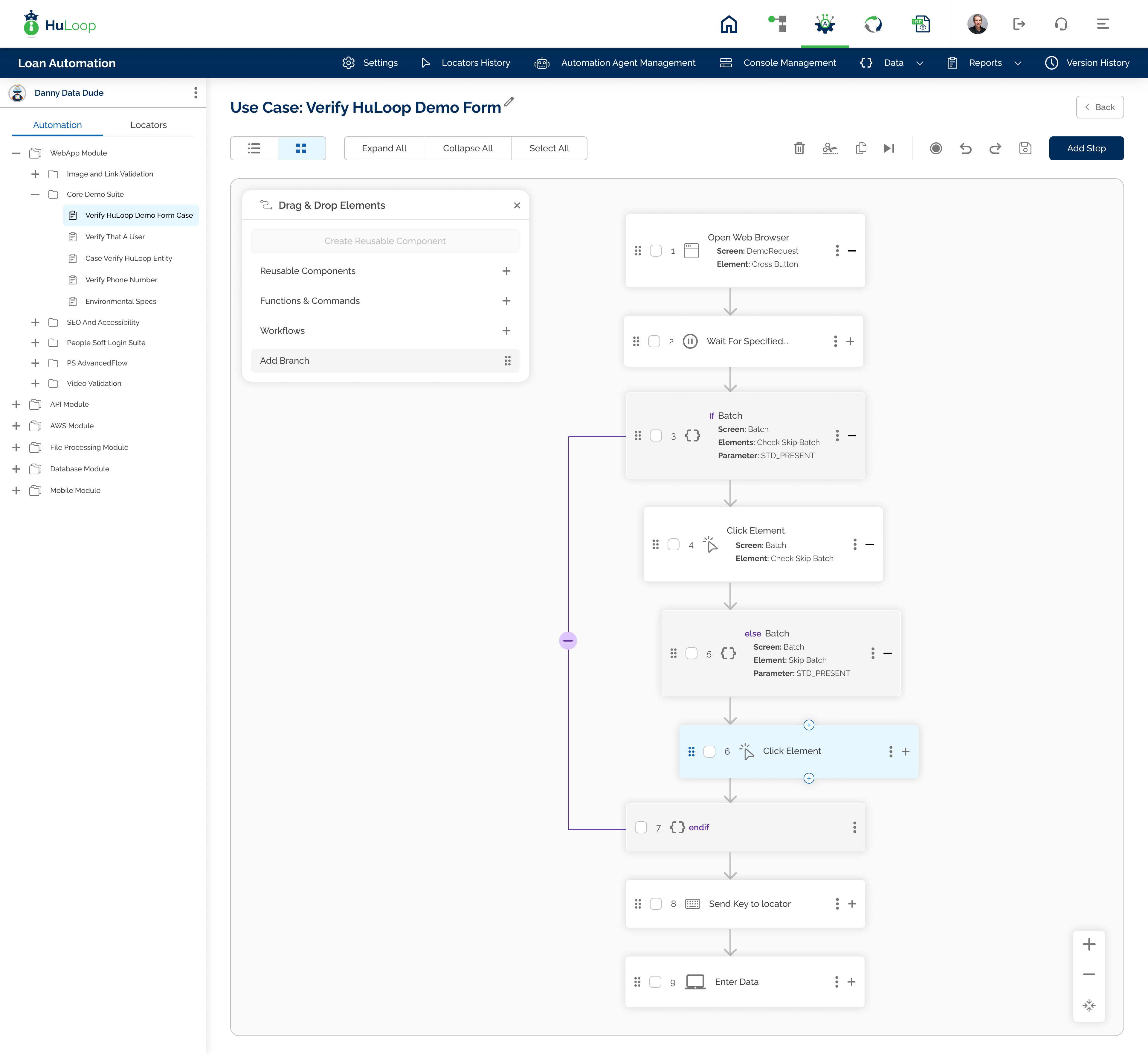
Automations Steps Card View
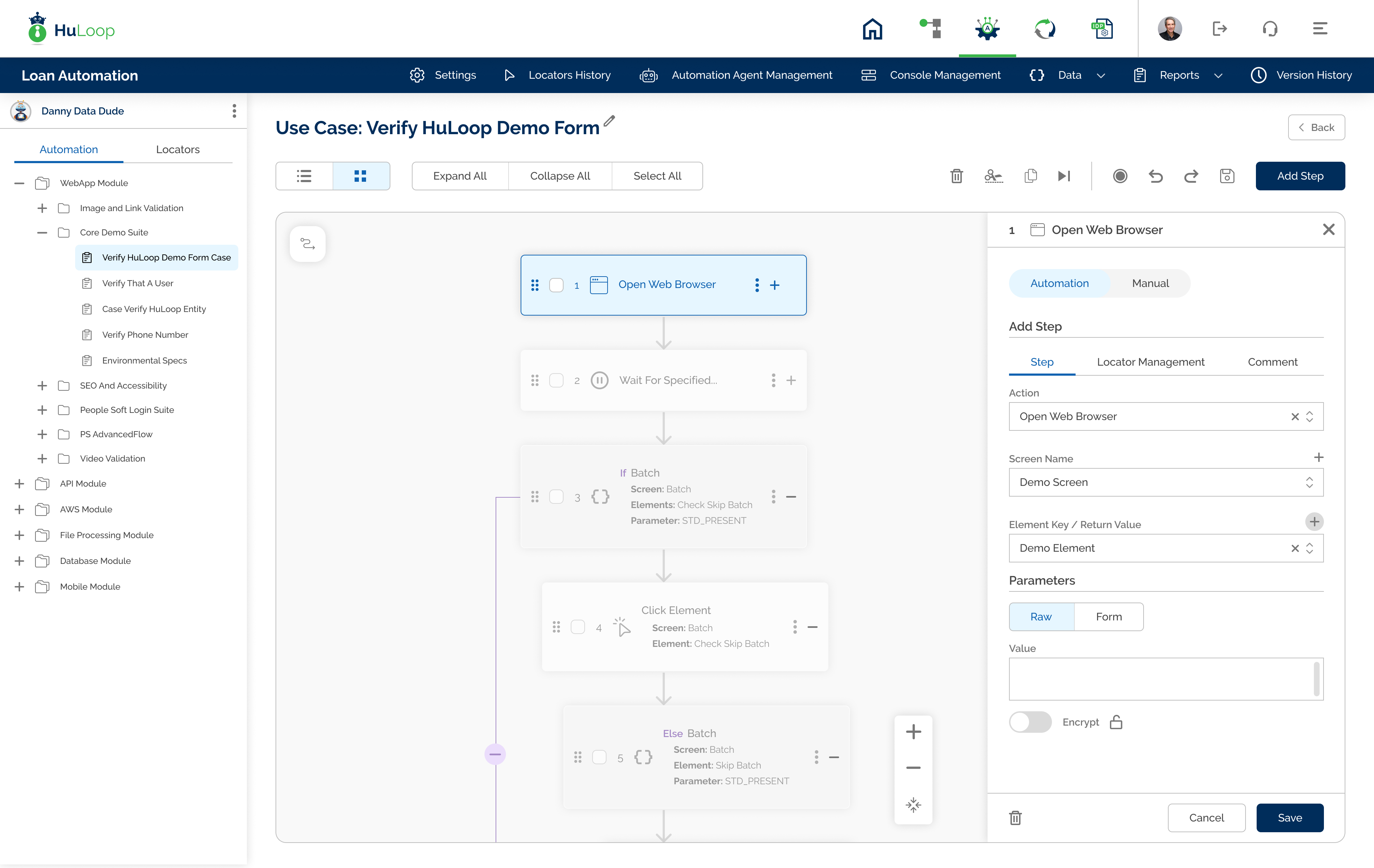
Automations Steps Card Details
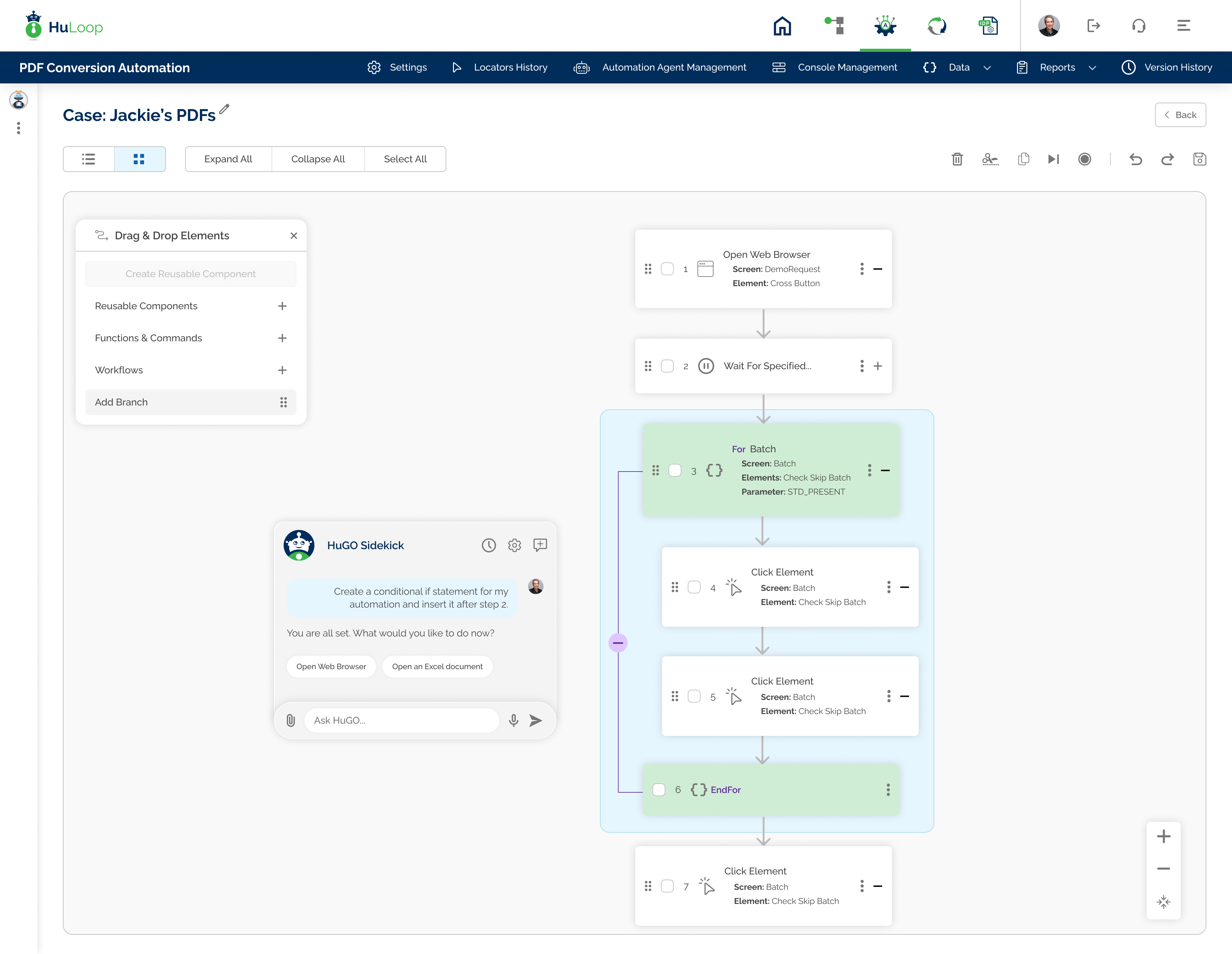
Hugo Sidekick Create Conditional Statement
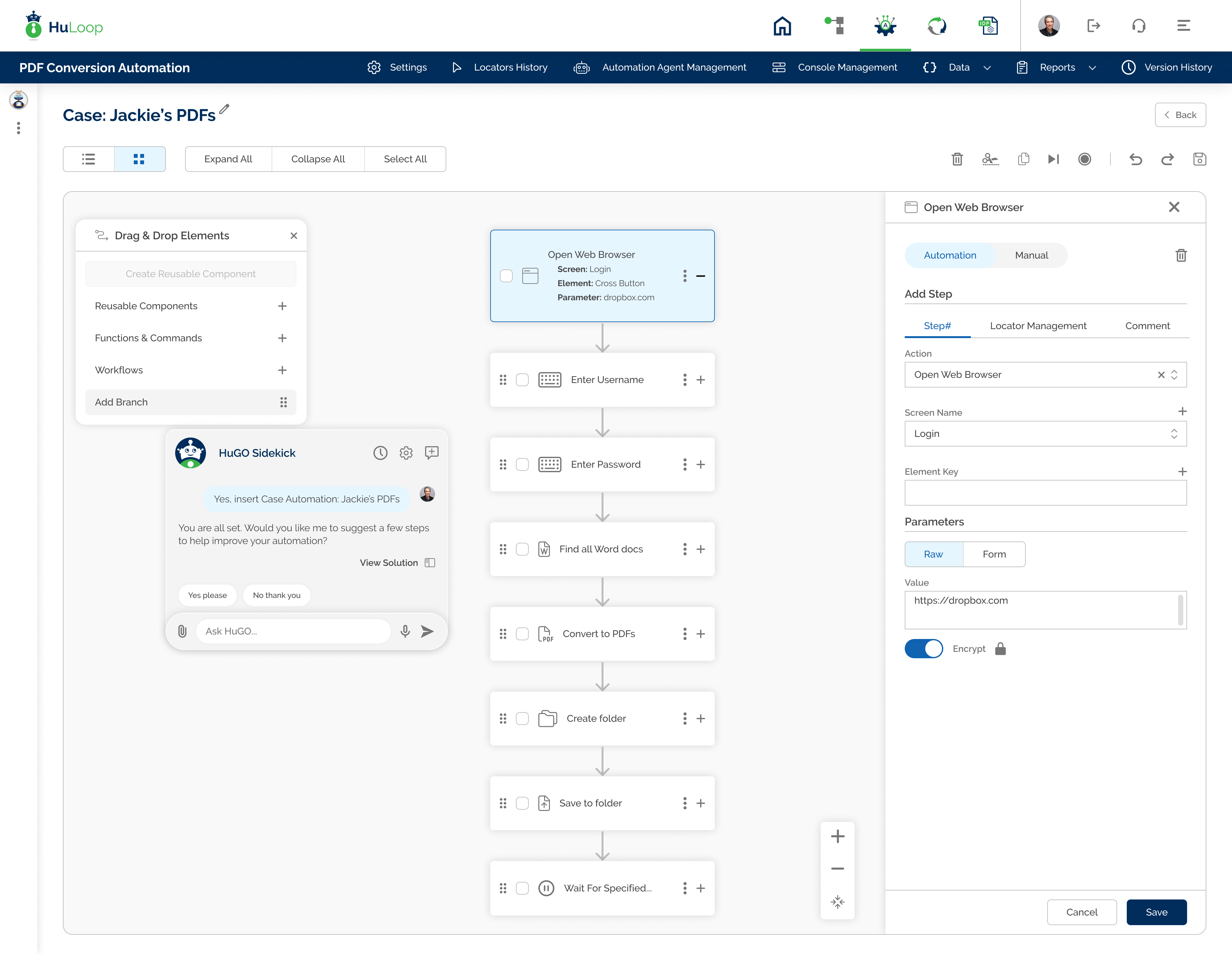
Hugo Sidekick Save Case Automation
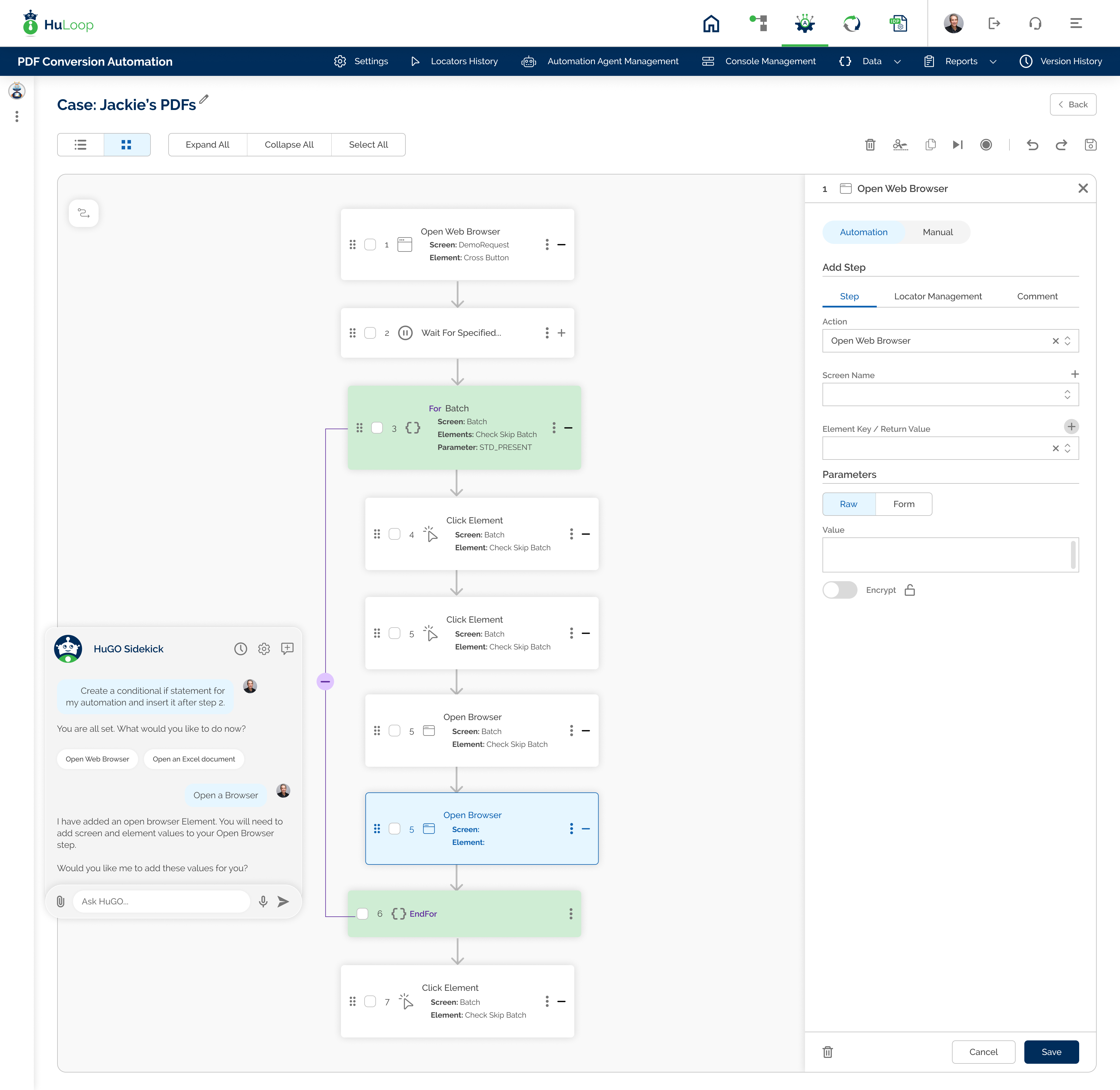
Hugo Sidekick Insert Card
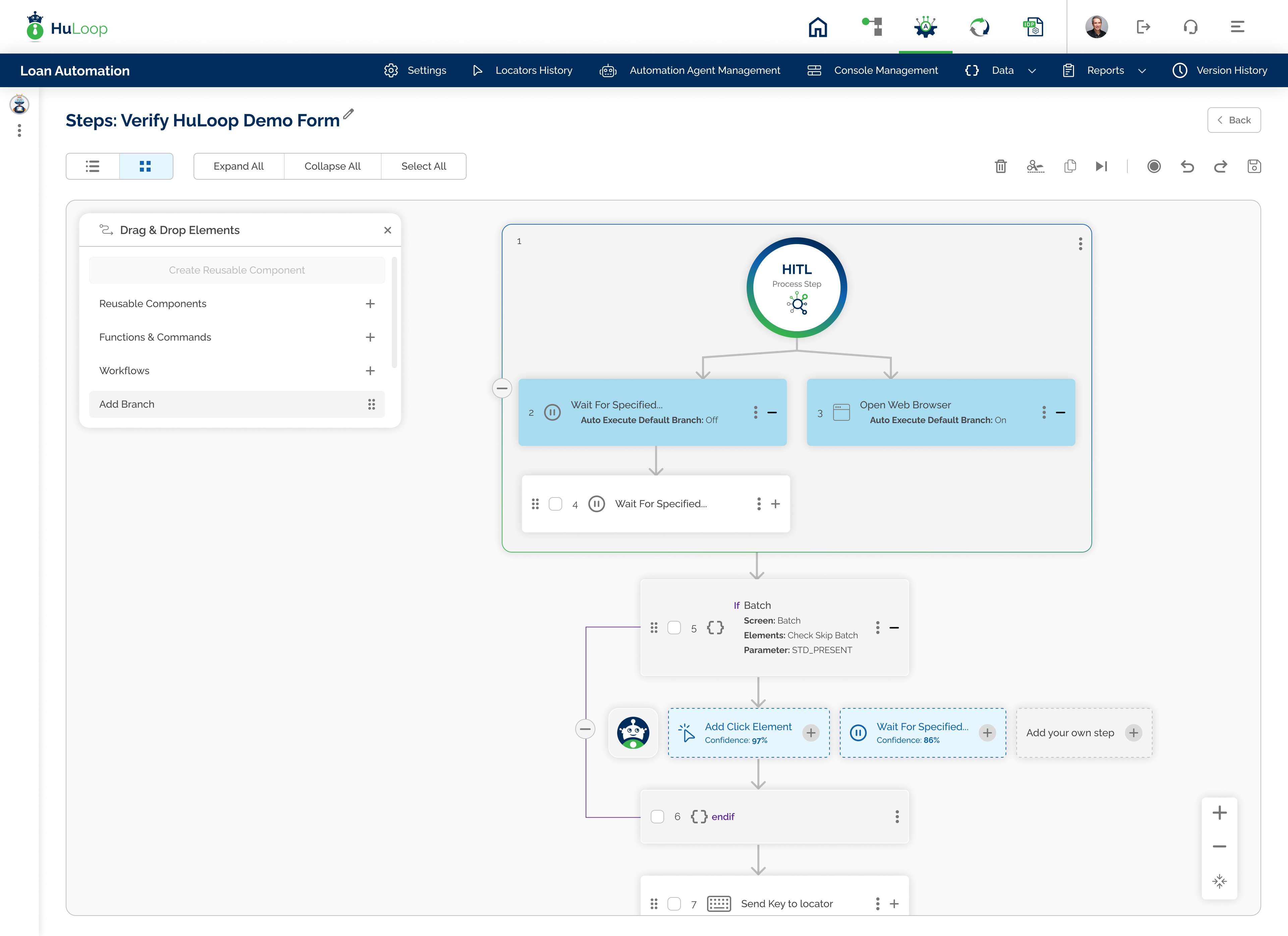
Hugo Sidekick Predictor View
More Case Studies


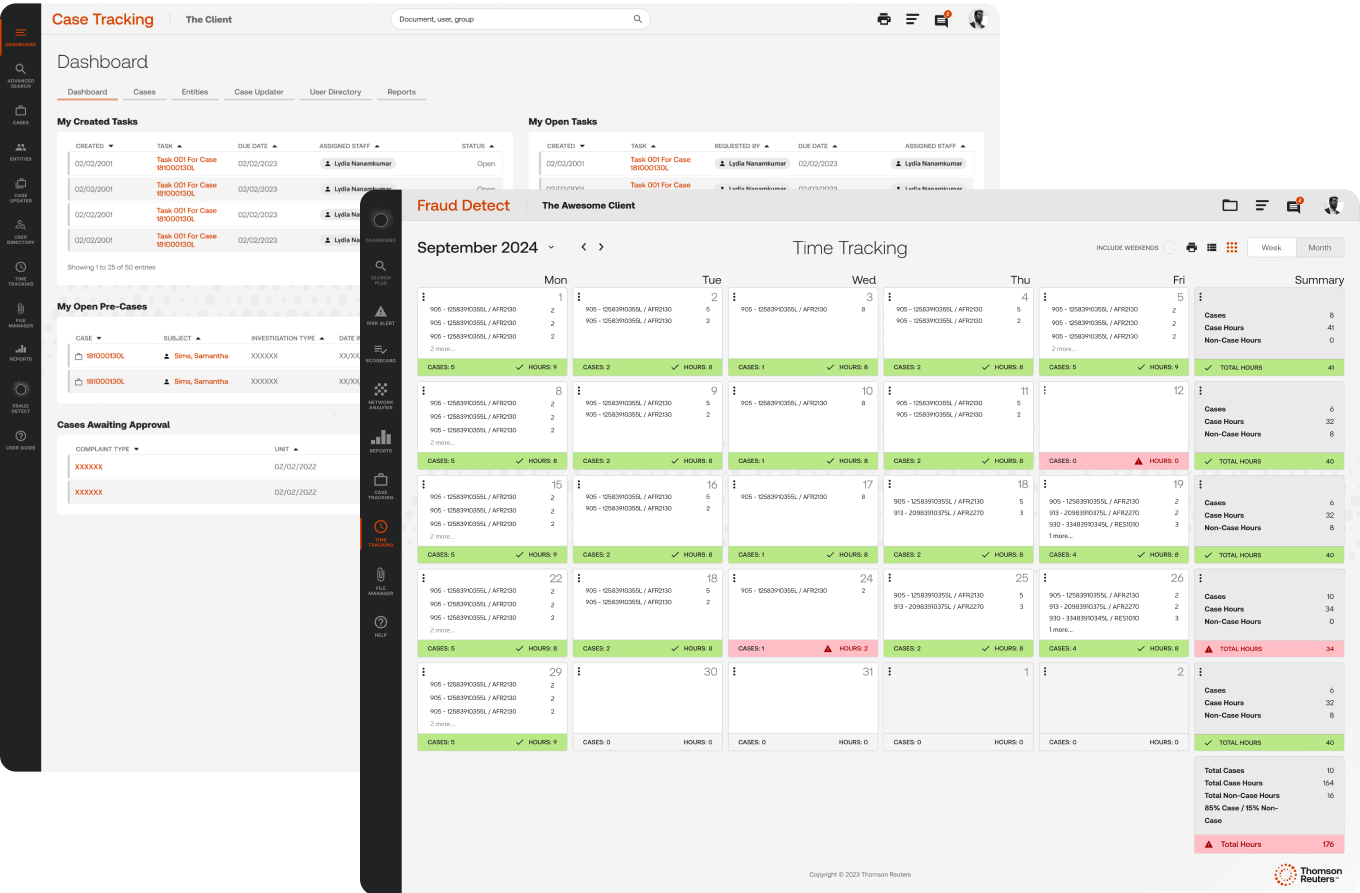
California DHCS
DHCS, the California Department of Health Care Services, was a client of Pondera Solutions, using Fraud Detect and Pondera’s case management SaaS. I helped design and build that product, including a time tracking module that replaced five separate timekeeping tools for investigators, managers and analysts.
Outcome: Replaced five separate timekeeping tools with one calendar-based tracker, launched to 700+ California government professionals.
- UX Research
- User Flows
- Personas
- Wireframes
- Accessibility
- UX Design
- UI Design
- Prototyping
- Case Management
- Time Tracking
- Web App

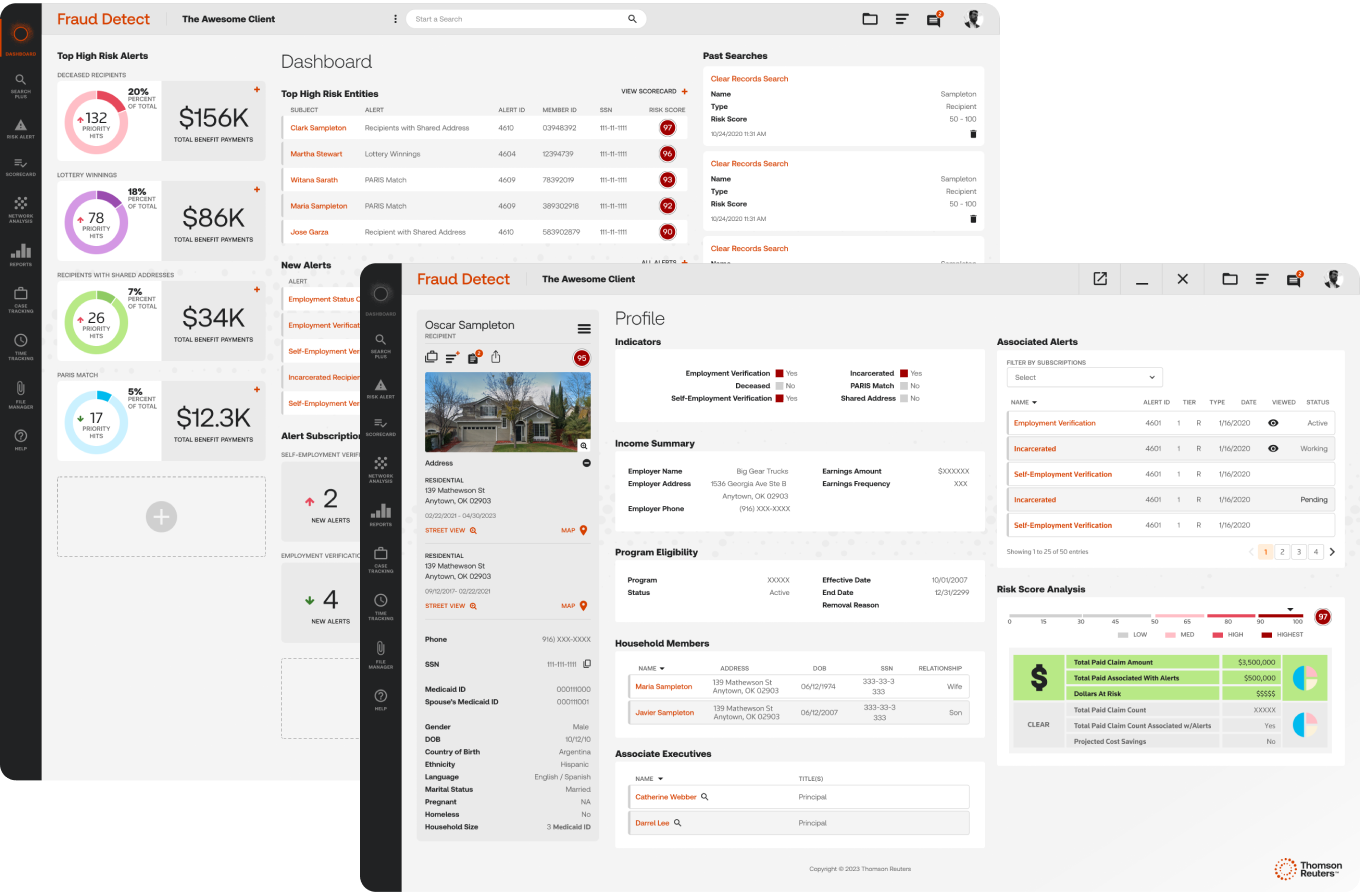
Thomson Reuters
Thomson Reuters is a global AI and technology company empowering professionals with trusted content and workflow automation. The Fraud Detect product suite utilizes expert machine-learning technology for government programs in Healthcare, SNAP, and Unemployment.
Outcome: $130M in duplicate payments and $50M in overpayments identified, leading to $18.7M in recoveries by the Medicaid Inspector General. Pondera was acquired by Thomson Reuters for $124M.
- UX Research
- User Flows
- Personas
- Wireframes
- Design System
- Accessibility
- UX Design
- UI Design
- Prototyping
- Search
- reporting
- Web App
- Data Visualization