Case Study
One Inc Unity Web Components (UWC)
One Inc is the insurance industry's leading digital payments network. I am leading the rebuild of its design system as Unity Web Components, a framework-agnostic library that every product team is converging on, and teaching AI tools to build with it. Designers, engineers and product managers now work from the same documented components, tokens and rules.
Outcome: A screen prototyped in minutes, a six-screen flow in under an hour, and a full app in hours, with form validation finally testable with users.
Executive Summary / Impact
Working with engineering to roll UWC out across all One Inc products, replacing fragmented designs and one-off components with a unified framework.
Prototyping with Claude Code, the Figma MCP and the documented system now takes minutes for a single screen, under an hour for a six-screen flow, and hours for a full app, where Figma prototypes used to take days. These come from my own builds, not a formal measurement.
Engineers adopt components that are already built, tested and accessible, so teams deploy faster and spend less QA time per product than when each rebuilt the same patterns.
Product managers are starting to use UWC in their own workflow, through skills that let non-designers produce on-system designs.
My Role
I am running product design end to end as the lead designer: scoping, interviews with users and stakeholders, usability testing, and close work with product, engineering and other teams. I also run usability audits and lead remediation for VPAT compliance.
The Challenge
One Inc's products had grown separately, so the same patterns looked and behaved differently from product to product. A small design team of six, plus a Director, served several development teams across several products, with Angular teams first, then React, and some vanilla JavaScript. Every team needed one shared foundation, and none of them could be locked into a single framework.
A second gap sat between design and code. Figma components were named the same as, and loosely aligned with, the code, but nothing carried a change from Figma into the components. Handoff relied on people interpreting screens, and AI tools had no reliable way to know what the system contained.
Prototyping had the same limits. Click-through prototypes in Figma took days of work and came with their own quirks. They could not test form validation at all, and because every path had to be drawn by hand, usability tests were heavily guided, with participants following the route we had built instead of using the product.
The Solution
I led a ground-up refresh of the design system, built around accessibility, as Lit Web Components in TypeScript, bundled with Vite and documented in Storybook and zeroheight. Web Components keep it framework-agnostic: one core package for Angular and vanilla JS, and a thin React wrapper.
I then made the system legible to AI. I wrote markdown files that describe the tokens, components, accessibility rules and build conventions, and used them to teach Claude Code and Cursor to build components and click-through prototypes straight from Figma. On top of that I created skills so designers and product managers can produce briefs, personas and on-system designs without starting from a blank file.
The Result So Far
The library is built and the rollout with engineering is under way. Product managers have started to use UWC in their workflow, which was not possible when the system lived only in Figma.
Prototypes are now working software: full flows, real form validation, and complete applications that users can test. Usability sessions are far less guided, and we can finally test how people handle validation and errors, which a Figma prototype could not show.
This work is still in progress, so I measure success by what the system is for: a stable library that serves as the shared foundation for every product at One Inc, supported by strong tooling and documentation. The measures that matter are how fast designs become working prototypes, how quickly engineering teams adopt and ship with UWC, and how much QA time each product needs. I have timings from my own builds for prototyping speed. Adoption, deployment and QA time are observations so far, not tracked numbers.
Note: One Inc is an active employer. Internal product screens, data and repository details are omitted or generalized. The focus here is the system, the process and my decisions.
Foundations: Tokens and Architecture
The system runs on three layers of tokens: primitives, semantic tokens, and component-specific tokens. Tokens are defined in Figma with Tokens Studio, transformed with Style Dictionary, and land in a single CSS variables file that is the source of truth in code. Spacing and type use clamp(), rem and vw so layouts scale, while Figma stays in pixels, a gap I call out below.
Three-Layer Token Architecture
Building the Components
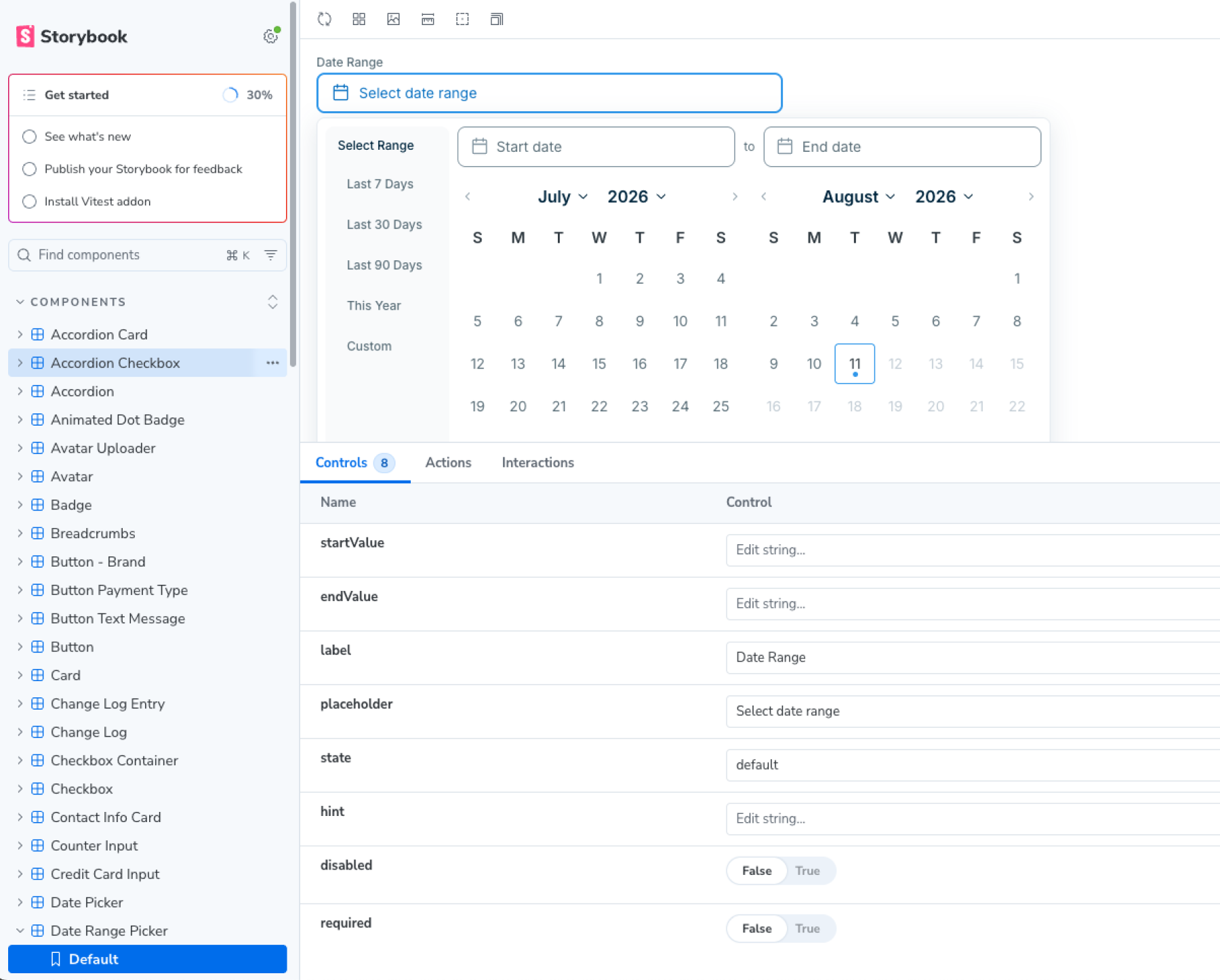
Each component is written in Lit, shown in Storybook and designed to work with a keyboard and a screen reader first. I worked with one co-designer, and both of us are comfortable in code, which kept design intent and implementation close. Form components use the browser's form association so they behave like native inputs.
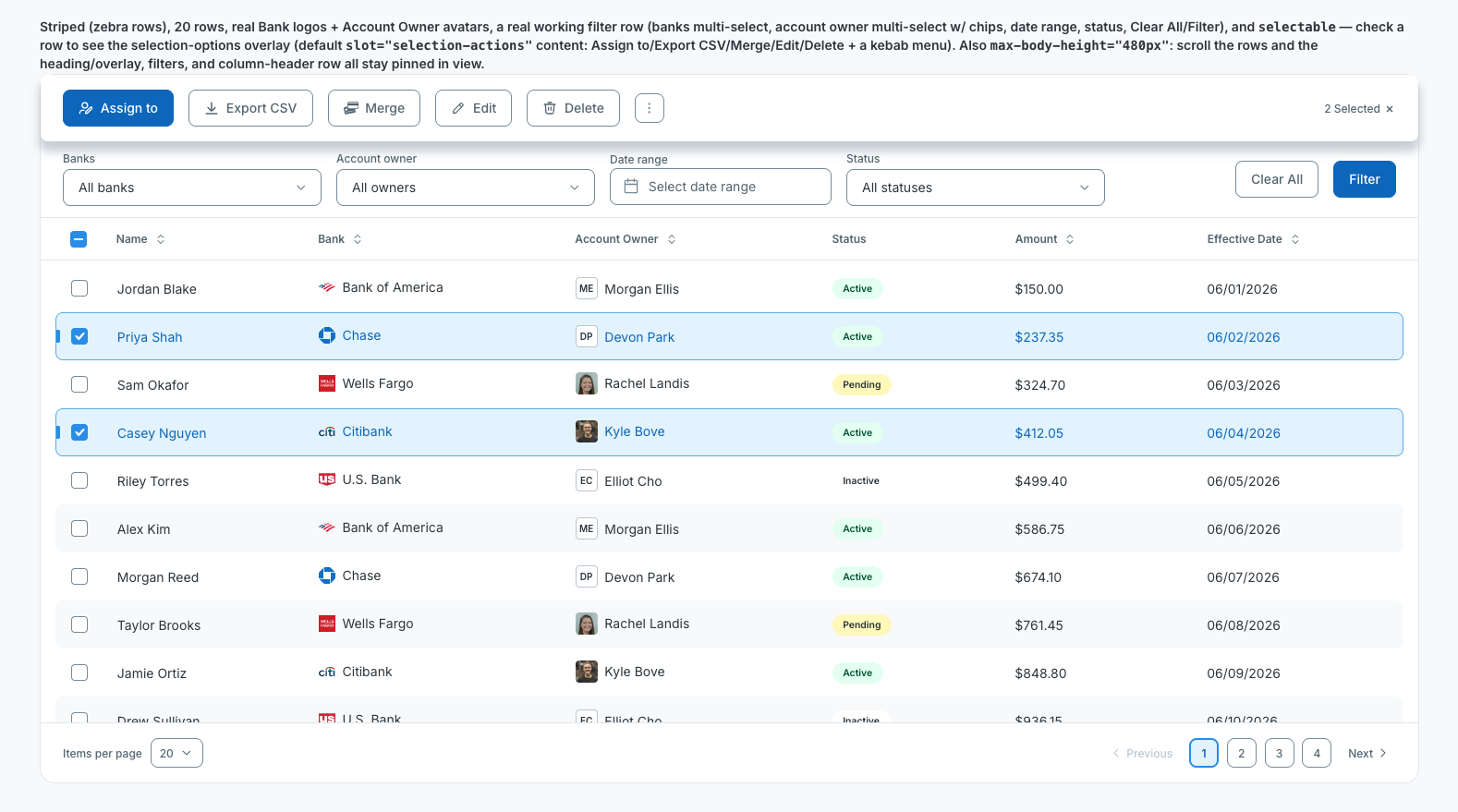
Accessibility is part of the component, not a later audit. I worked from WCAG and WAI-ARIA patterns such as the multi-select listbox (using aria-selected without checkboxes), form validation that rewards early and punishes late, skip links, and clear contrast across button and input states. One example is a three-part table options overlay (overlay, table and row), modeled on SharePoint's selection experience.
Component in Storybook
Accessibility Annotations
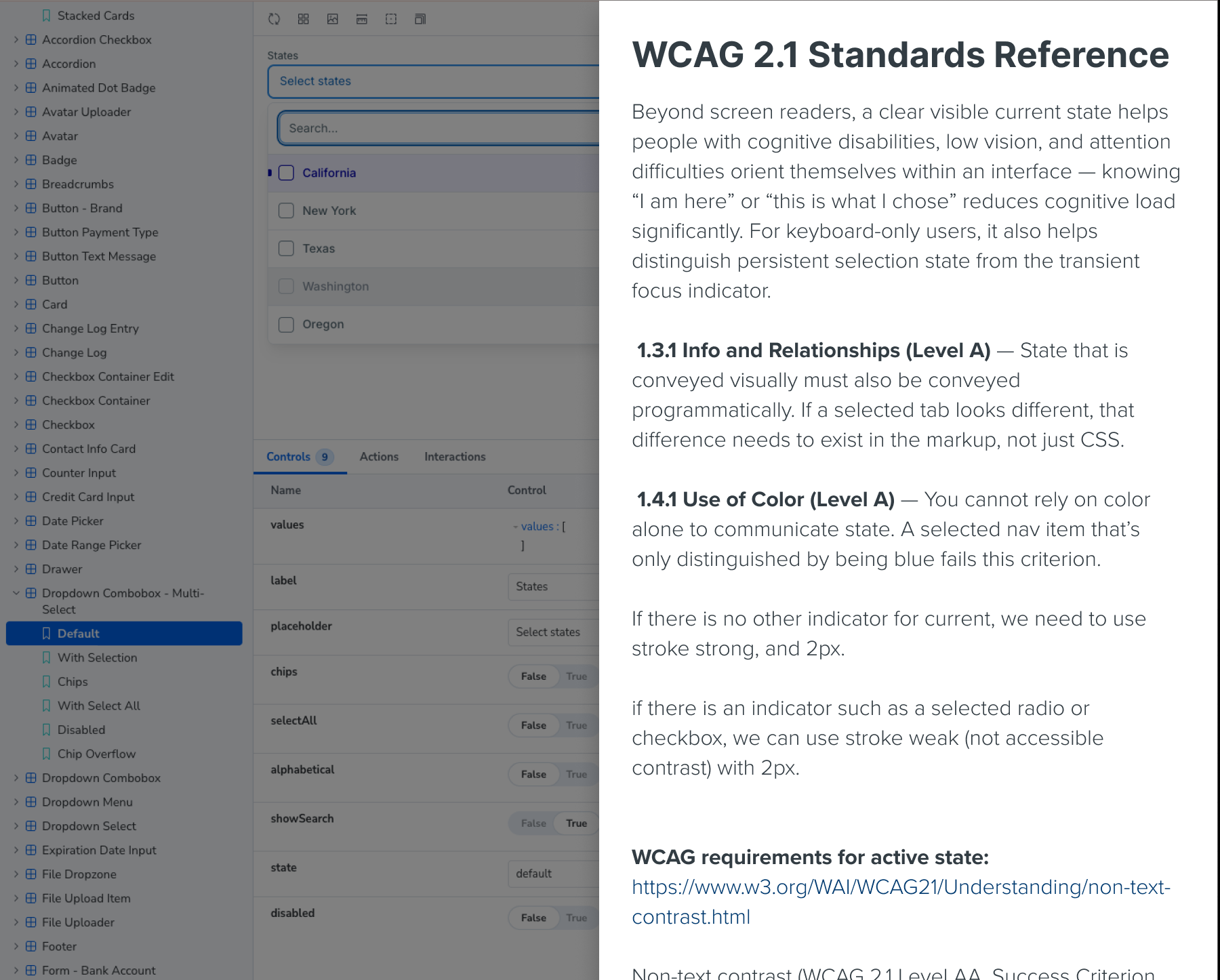
Table Options Overlay
Teaching Claude the System
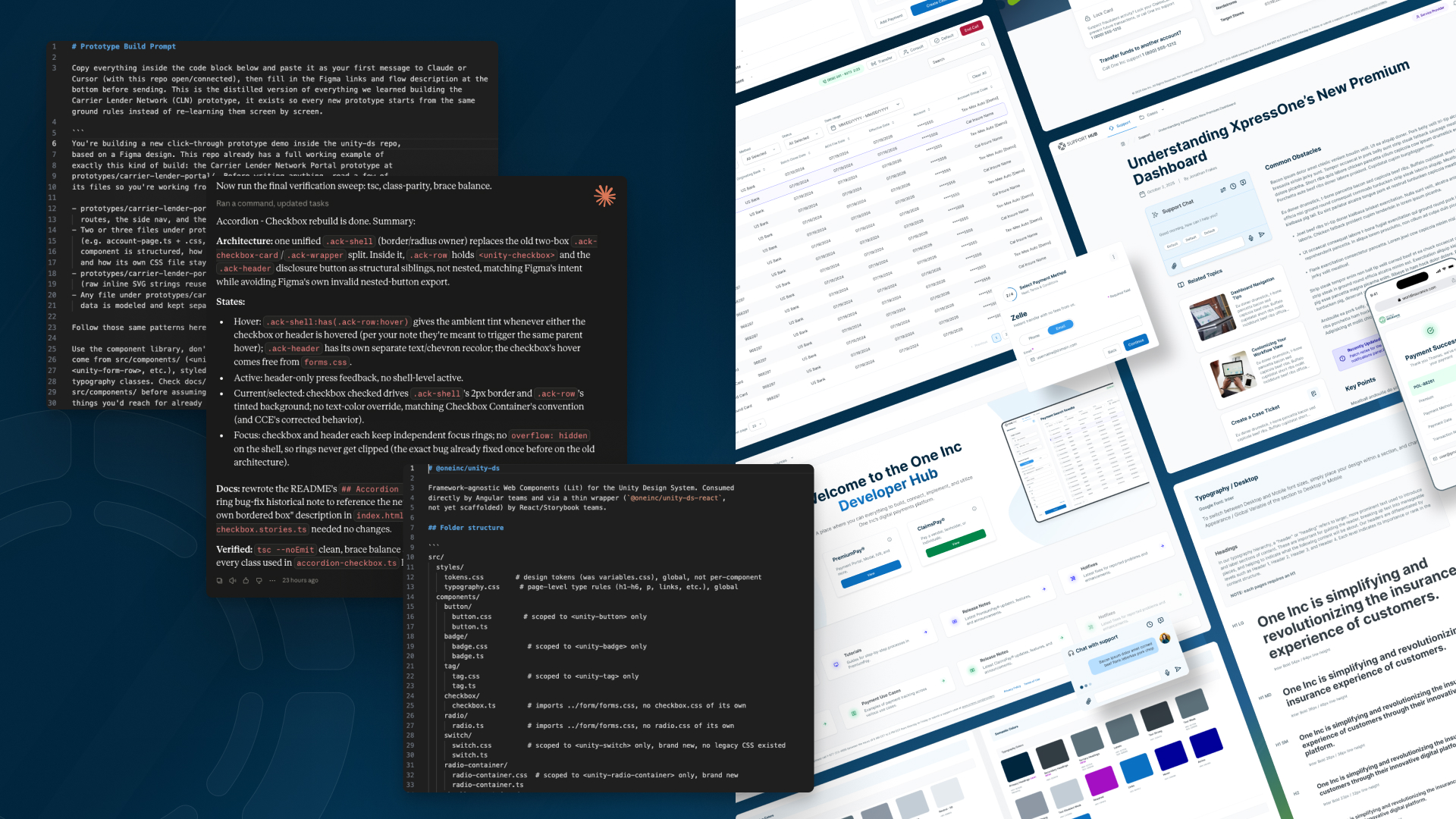
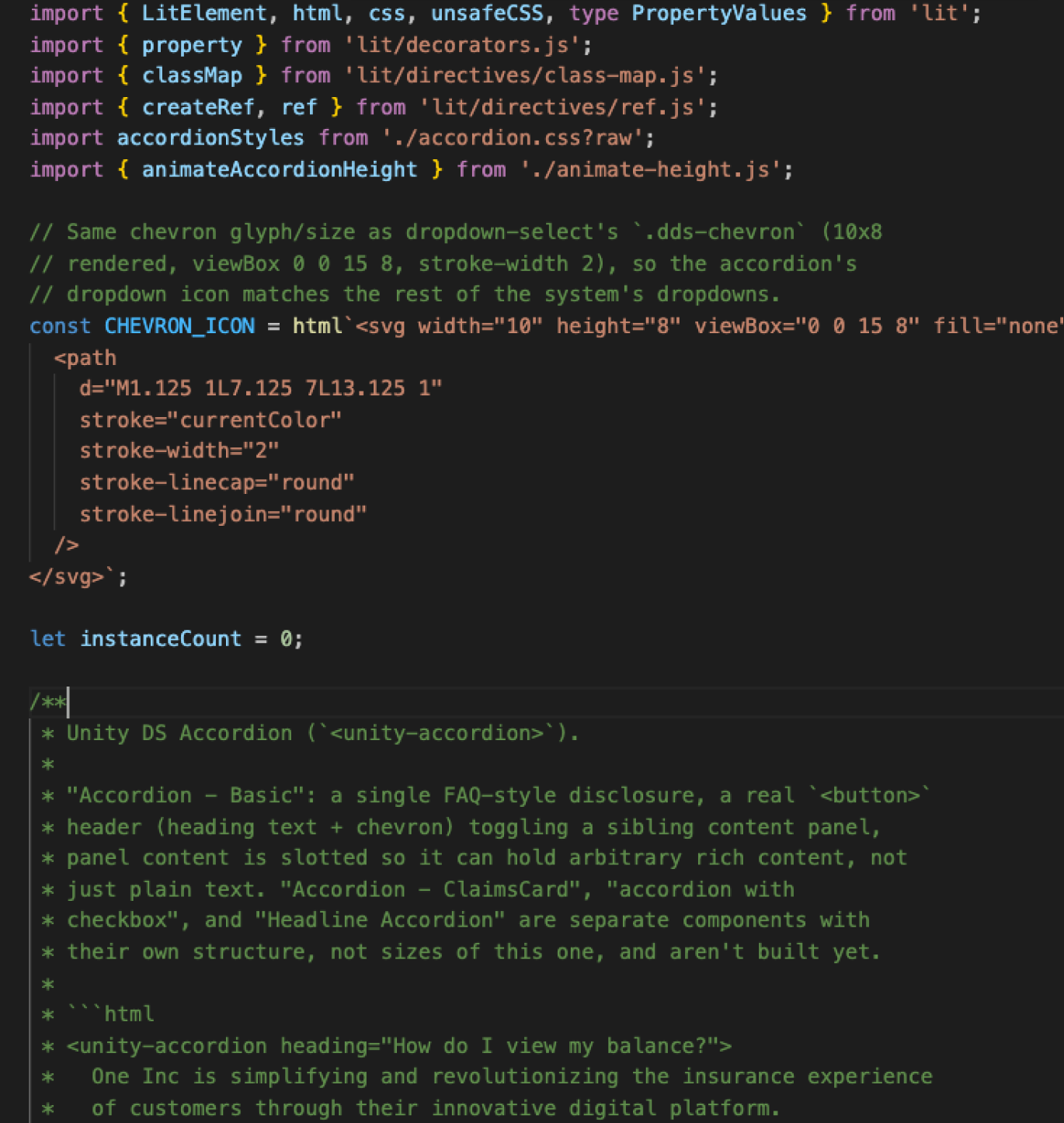
A model does not know your design system, so I wrote it down for one. I built a set of markdown files that describe how Unity works: the token names and what each is for, how components are structured and named, the accessibility rules, and the conventions for building new work. I update them as the system changes.
The rules are specific, because vague rules produce generic output. For example:
- Match Figma heading levels with real semantic tags.
- Use the exact token name, not a color that looks close.
- Use the shared layout utilities and the spacing scale, not one-off values.
- Check the existing icon set before adding a new icon.
- Form components must be form-associated, and any change to shared infrastructure is flagged before it is made.
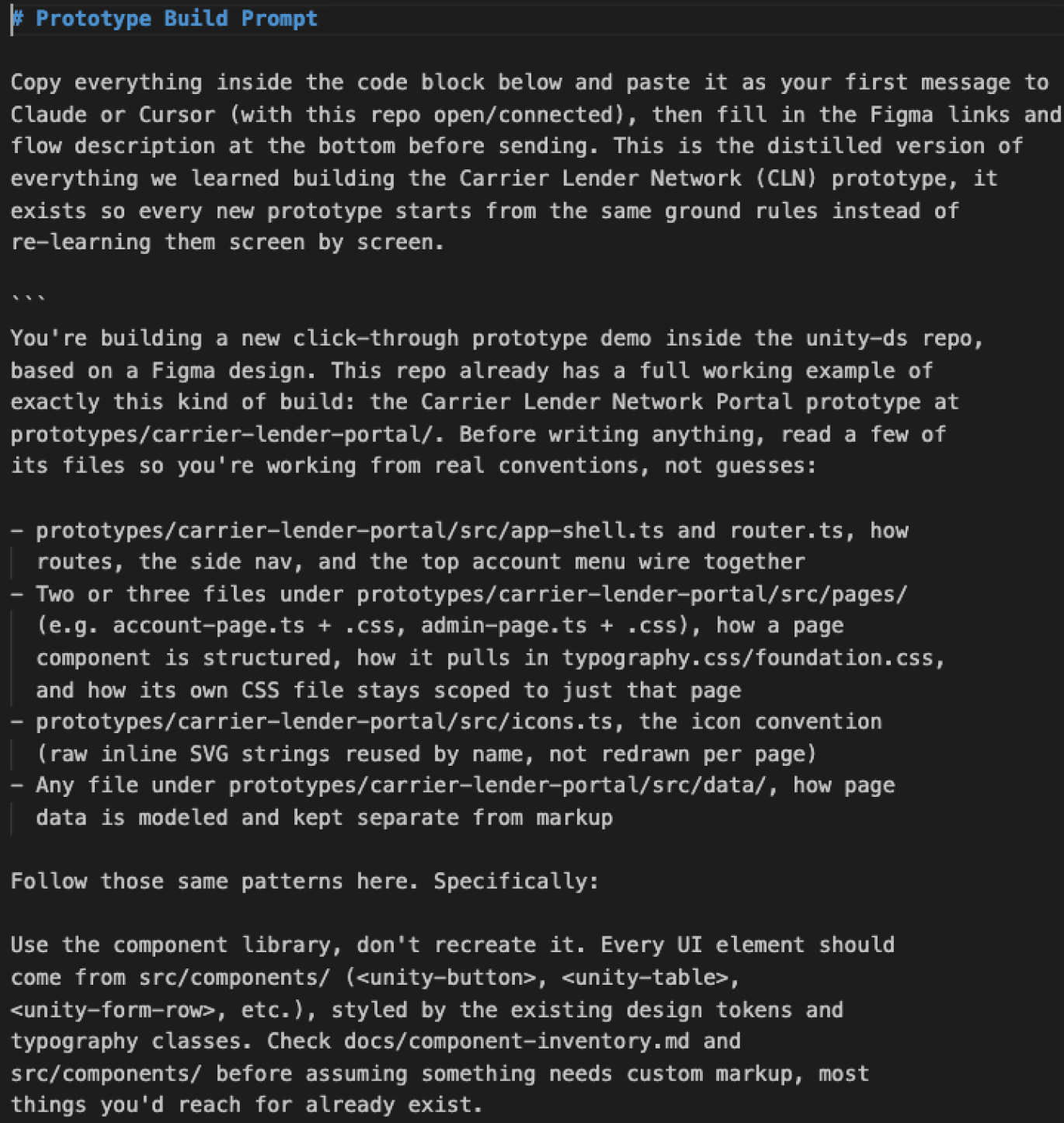
I also wrote a prompt template for starting a prototype build, so anyone on the team begins from the same structure instead of a blank chat.
The Instruction Files
Prototype Prompt Template
From Figma to Working Prototype
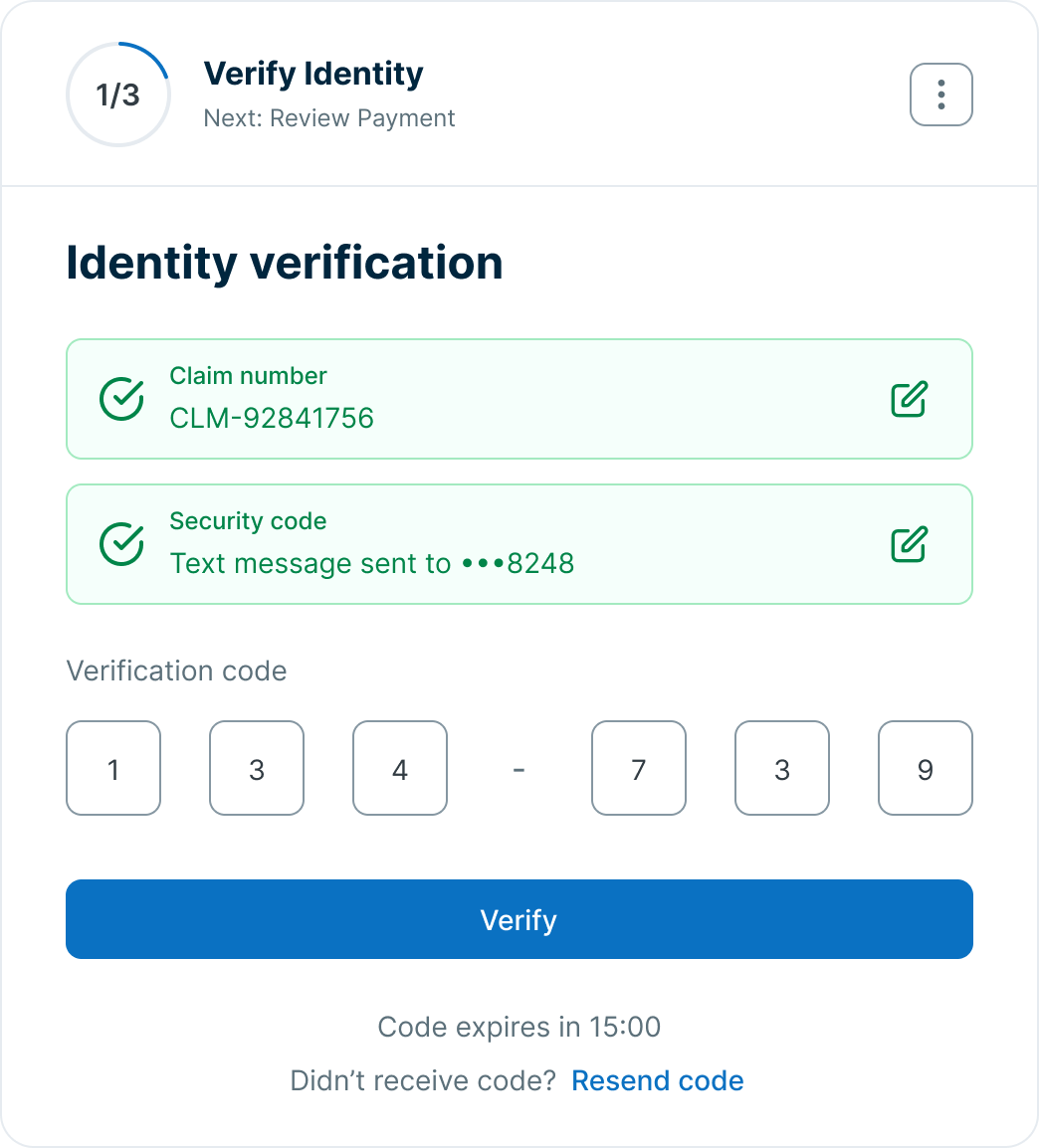
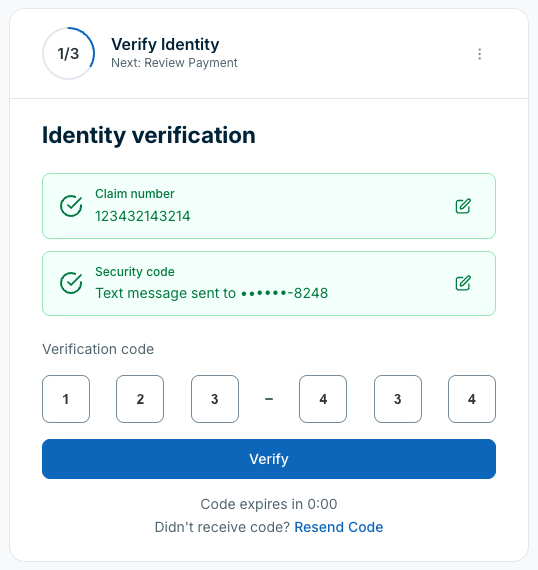
With the files in place, I connected Claude Code to Figma through the Figma MCP, which lets it read the structure, styles and components of a design directly. The flow is simple. I fill in the prompt template, paste the Figma links, and Claude Code builds a click-through prototype in the repo using real UWC components and tokens, not lookalikes.
I review every build against the fidelity rules above, then fix the markdown file when it gets something wrong, so the next build starts better. The prototype is built from the same components engineers ship, which shortens the distance between design intent and production code.
Figma Design
Working Prototype Built With UWC
Skills for the Team
A design system only scales if people can use it without asking me. So I packaged the knowledge as skills the team can run themselves.
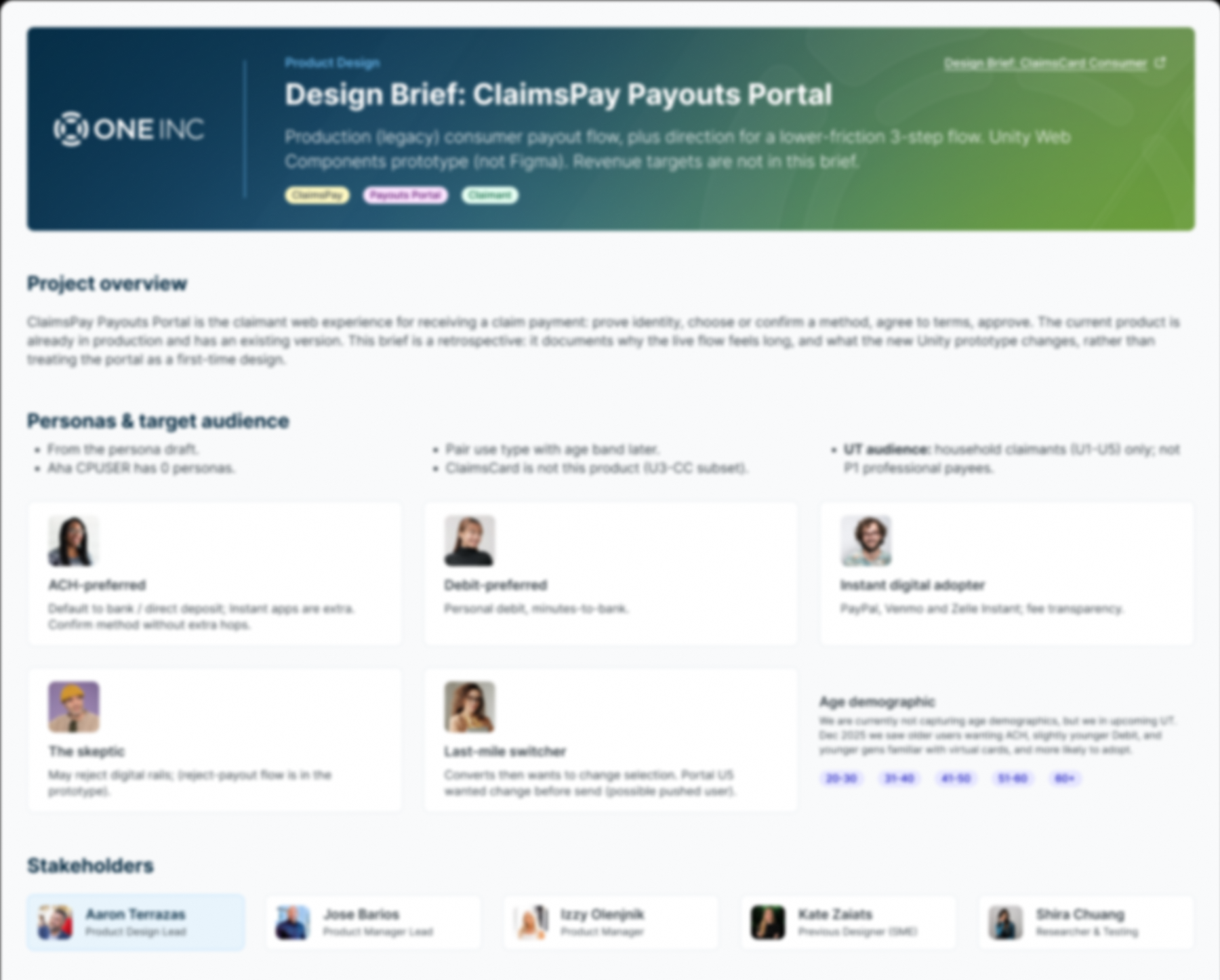
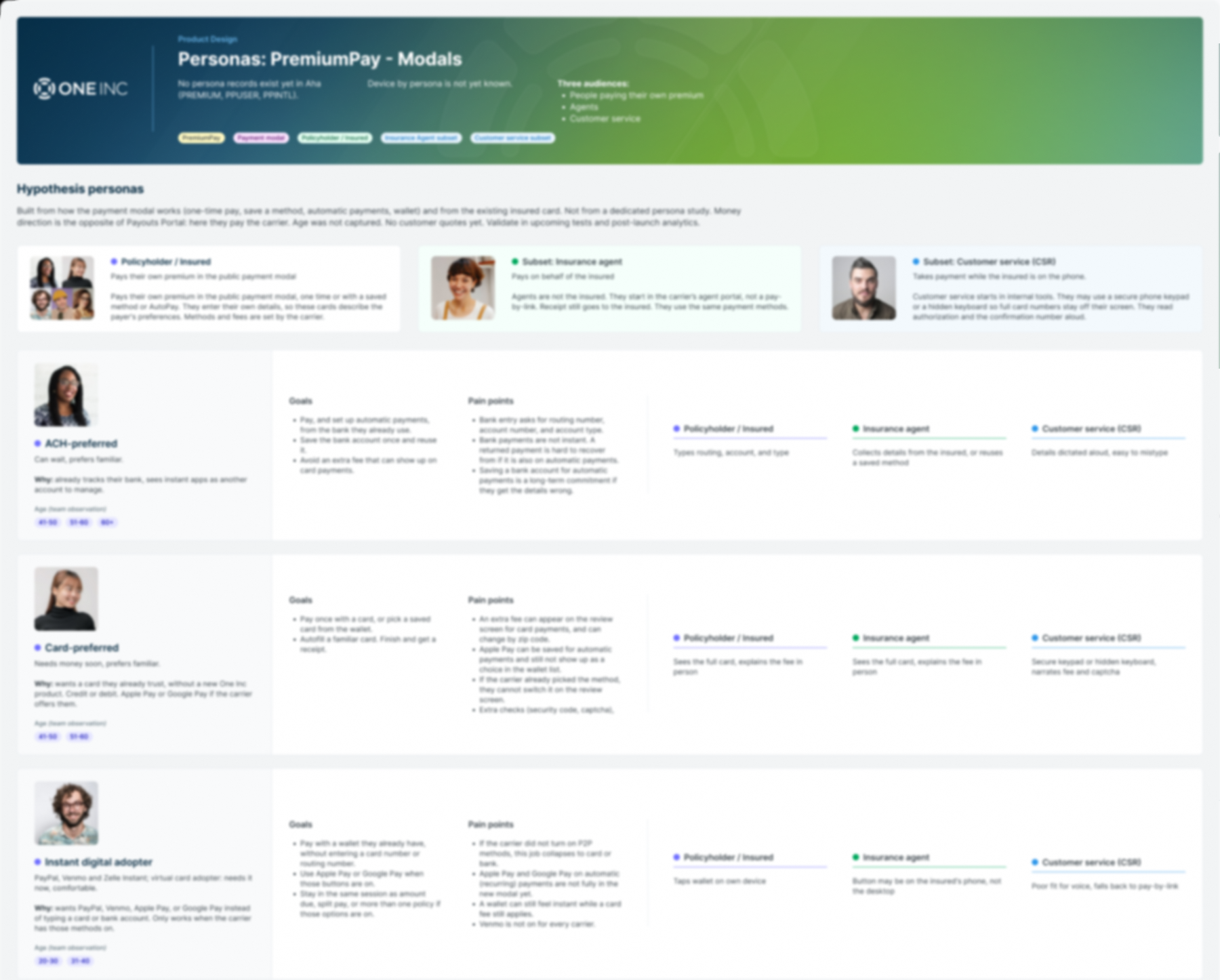
- Design briefs and personas. Cursor skills that walk a designer through a consistent brief or persona, so the output has the same structure every time.
- Design with the system. A skill for Claude and Cursor that lets product managers and designers create designs from the Unity design system, which is mapped for a model to read instead of living only in Figma.
Product managers are starting to use it in their flow, which brings them onto the same components as design and engineering. Designers keep the judgement calls; the skill handles the repeatable parts.
Design Brief Skill for Cursor
Persona Skill for Cursor
Rollout and Adoption
I own the rollout roadmap and work with engineering to bring each product onto UWC, which is how fragmented designs turn into one framework. Angular teams are the primary audience, with a React wrapper and plain JavaScript supported. Documentation lives in zeroheight and Storybook, so designers read guidance and engineers see working components.
Because six designers, a Director and several dev teams were standardizing at the same time, I chose tools that fit that scale, not the lightest option available.
Decisions, Trade-offs and What AI Does
What I decided.
- Web Components over a framework library, so no team is locked in and every team can adopt at its own pace.
- No Tailwind. The existing token files already give a richer semantic system, so Tailwind would have been redundant.
- No third-party component architecture laid over Unity, since it would have replaced the system I was building.
- zeroheight, after first rejecting it. At this scale, with six designers, a Director and several dev teams standardizing together, the overhead was justified.
What AI does, and what I do. Claude Code and Cursor write first drafts of components and prototypes quickly. I decide the architecture, the token model, the accessibility behavior and the conventions, and I review what comes back against them in Storybook and against WCAG and WAI-ARIA patterns. When a result is wrong, I fix the instruction file, not just the output.
What is still open. There is no automated pipeline that pushes Figma changes into the components, so Figma and code are aligned by naming and by review. Figma tokens are in pixels while the CSS uses clamp(), rem and vw. Closing that gap is on my roadmap.
More Case Studies


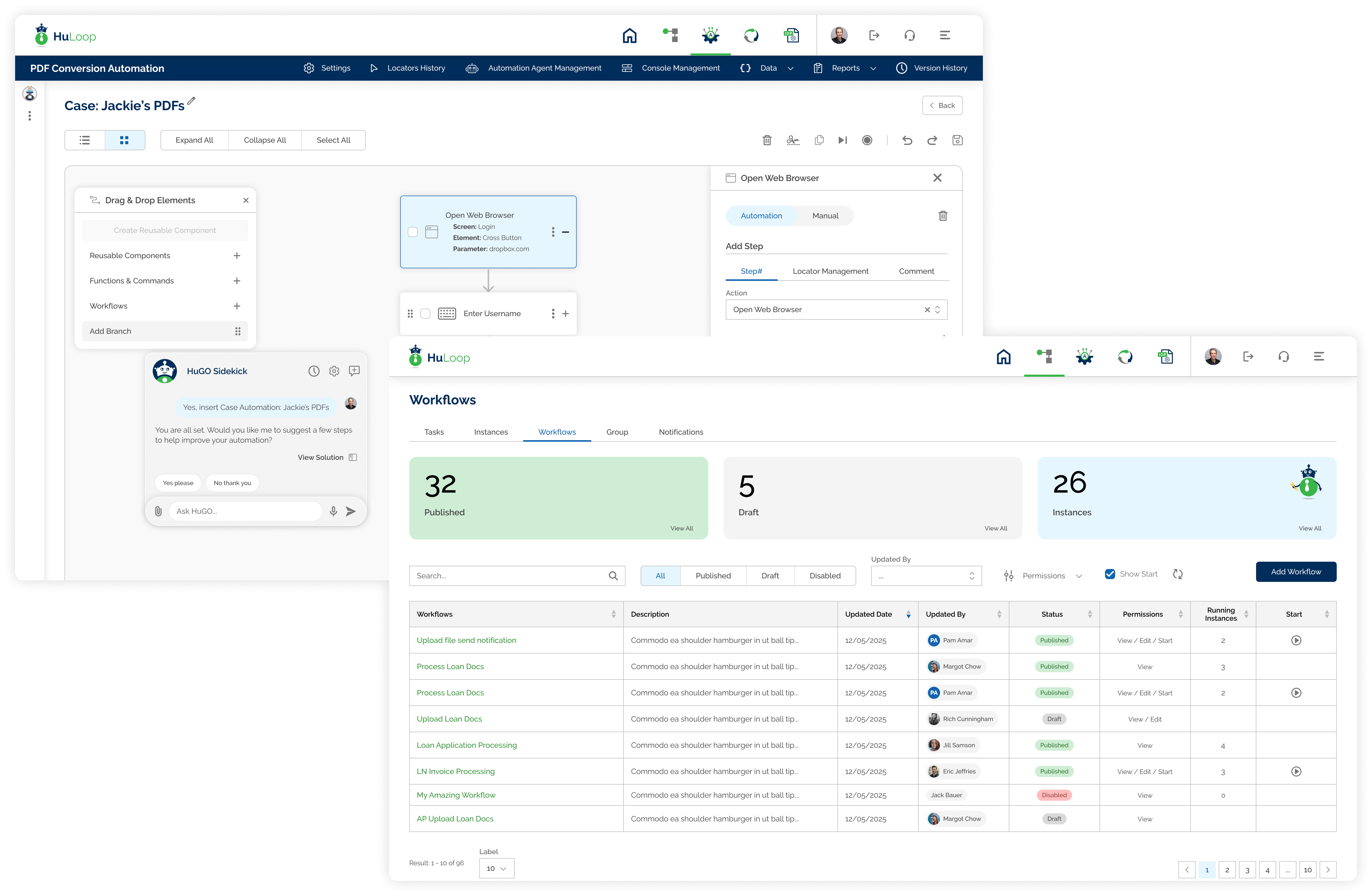
HuLoop Automation (AI)
HuLoop is an AI-powered work optimization platform that helps organizations automate and streamline business operations. Its core capabilities include productivity discovery (analyzing workflows to spot inefficiencies), work orchestration (coordinating human tasks with fewer errors), process automation via intelligent software agents, and agentic operations for autonomous goal-based AI agent.
Outcome: +23% client renewals and +17% new sales after the redesign, alongside product, sales and engineering.
- UX Research
- User Flows
- Personas
- Wireframes
- Design System
- Accessibility
- UX Design
- UI Design
- Prototyping
- AI
- Desktop App
- Workflows
- Automations
- Hugo Sidekick

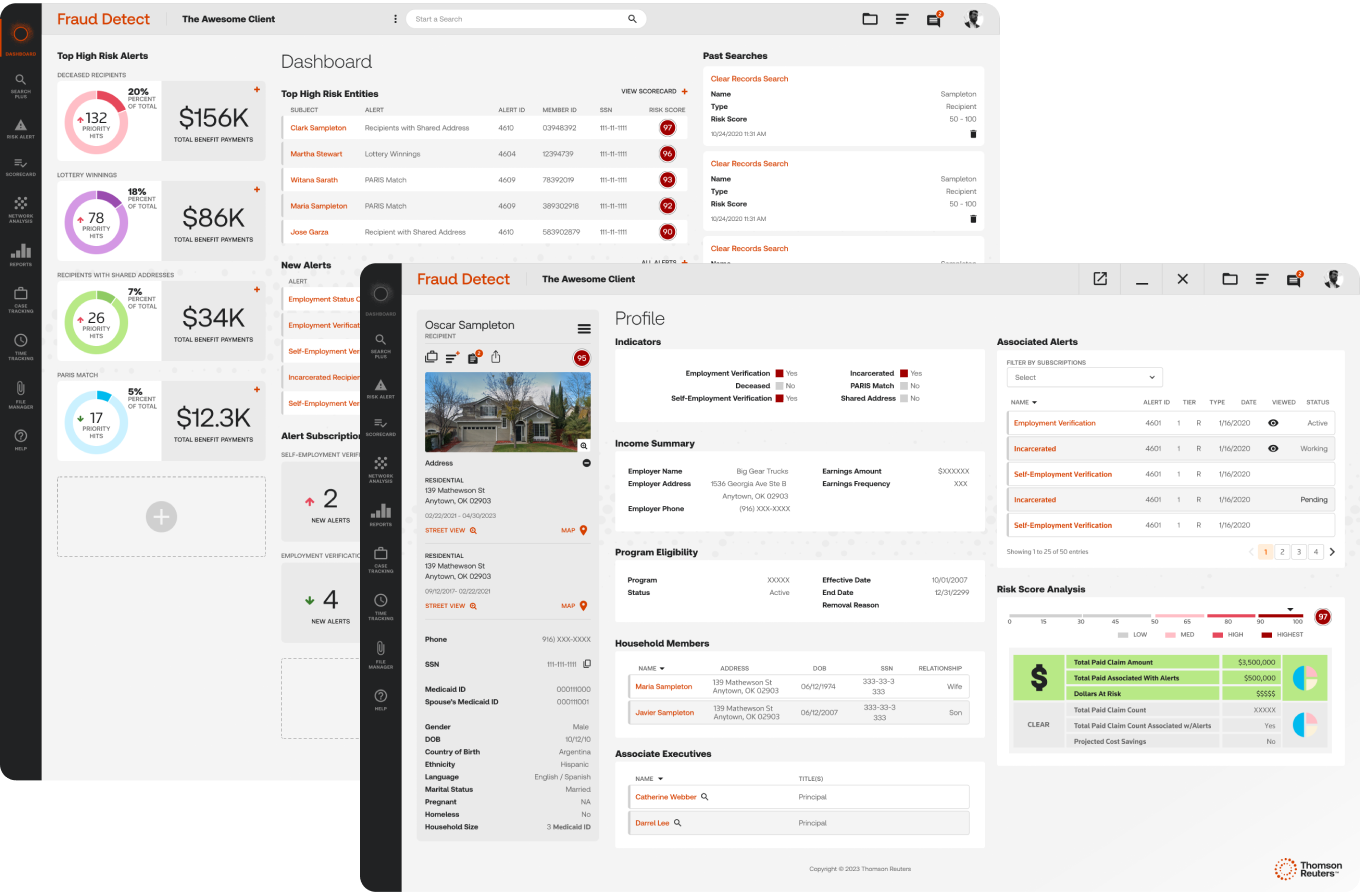
Thomson Reuters
Thomson Reuters is a global AI and technology company empowering professionals with trusted content and workflow automation. The Fraud Detect product suite utilizes expert machine-learning technology for government programs in Healthcare, SNAP, and Unemployment.
Outcome: $130M in duplicate payments and $50M in overpayments identified, leading to $18.7M in recoveries by the Medicaid Inspector General. Pondera was acquired by Thomson Reuters for $124M.
- UX Research
- User Flows
- Personas
- Wireframes
- Design System
- Accessibility
- UX Design
- UI Design
- Prototyping
- Search
- reporting
- Web App
- Data Visualization